North Carolina Emergency Foodservice Equipment Rental Planning
North Carolina temporary refrigeration may need to accommodate either coastal exposure or mountain access depending on where the project sits. Emergency commercial refrigeration, mobile kitchen and dishwashing trailer rentals can be coordinated together when temporary foodservice operations need cold storage, cooking and warewashing capacity.
Check the actual route, grade, storm exposure, electrical supply, receiving area, and whether weather could limit delivery or service access. Review refrigeration temperature and power, mobile kitchen cooking and ventilation, and dishwashing hot-water, drainage and throughput requirements as one site plan.
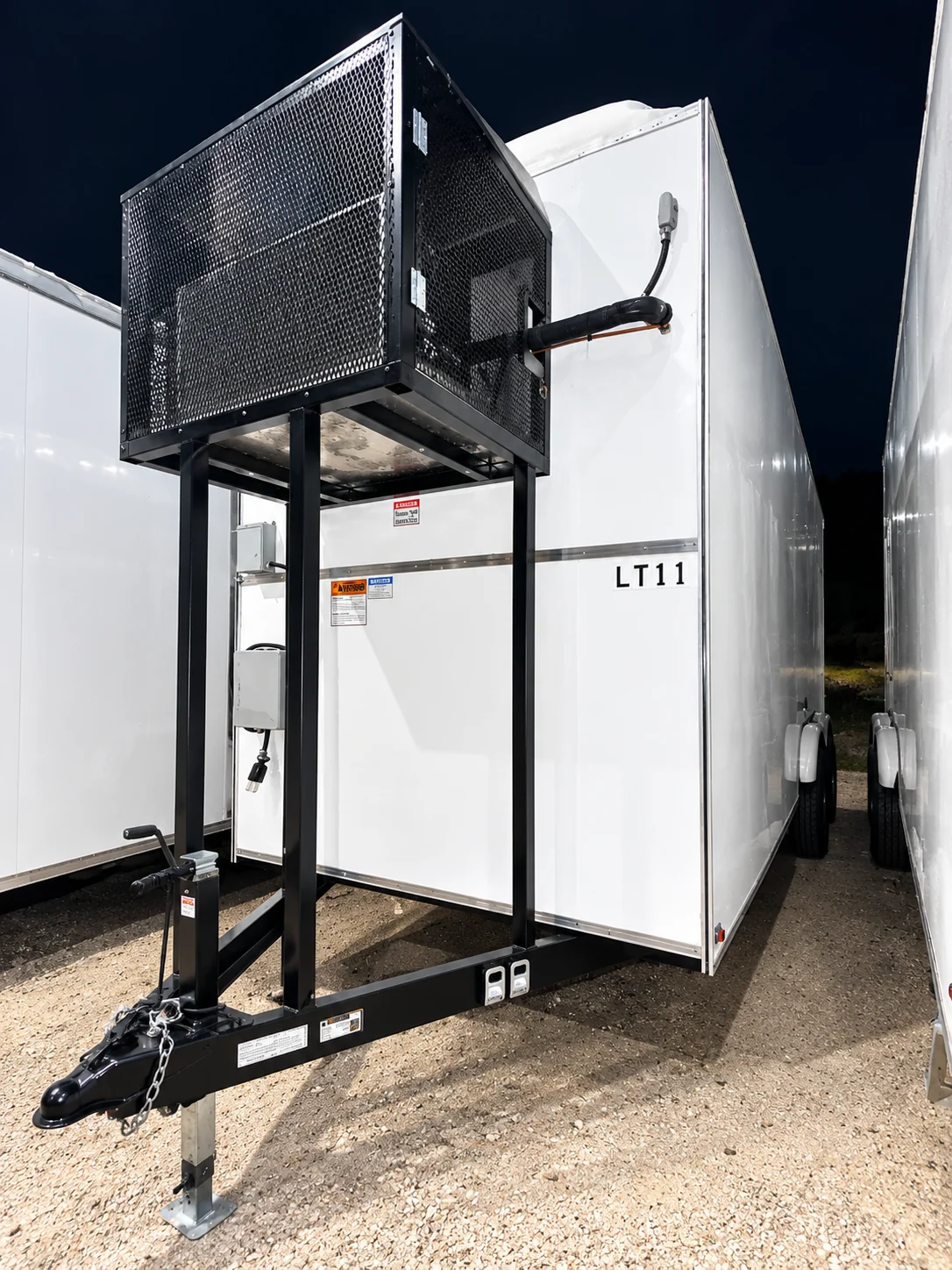
Emergency Commercial Refrigeration Trailer Rentals
Plan product temperature, stock volume, door traffic, electrical supply, monitoring, loading access and backup cold-storage arrangements for the exact North Carolina site.
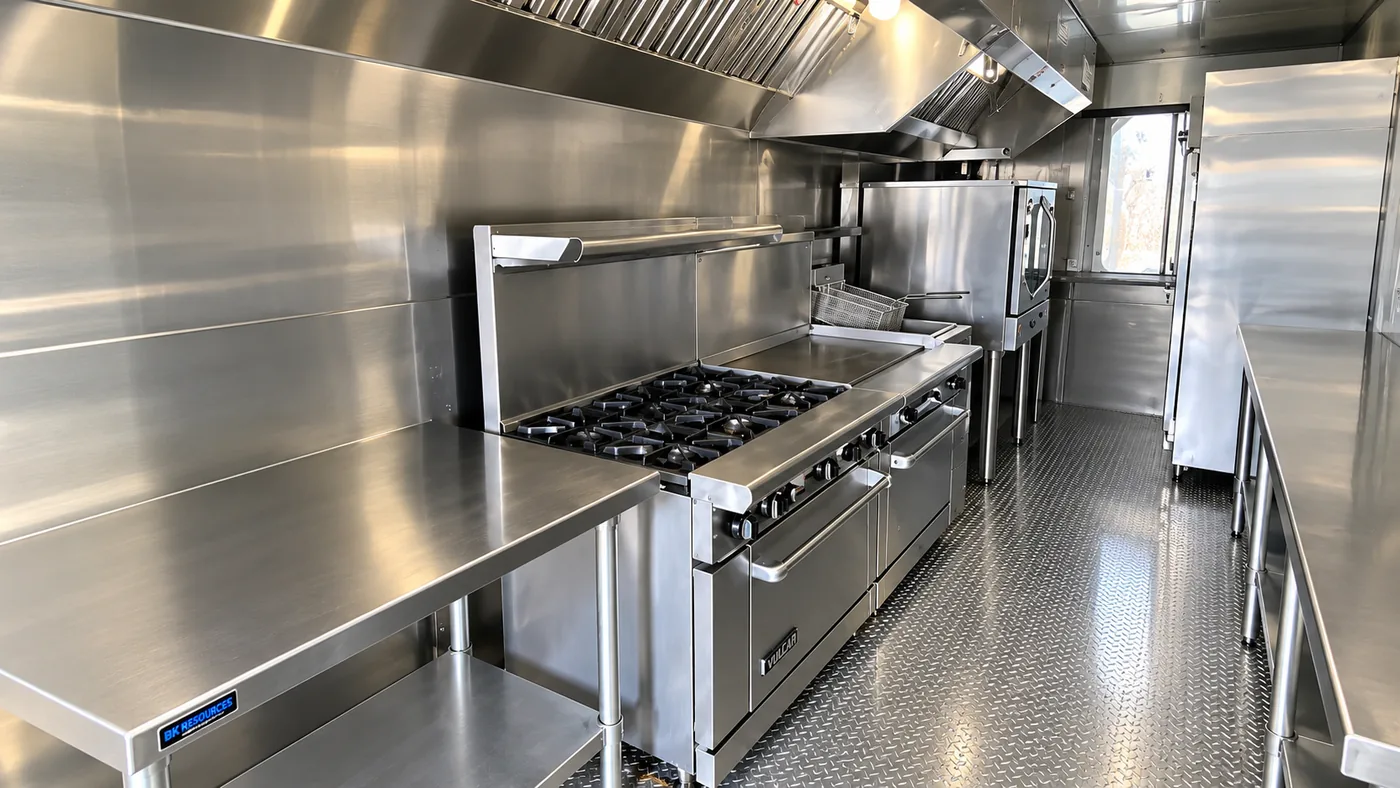
Emergency Mobile Commercial Kitchen Trailer Rentals
Plan meal volume, cooking equipment, ventilation, staffing, receiving flow, potable water, wastewater and electrical or fuel requirements for the temporary North Carolina kitchen operation.
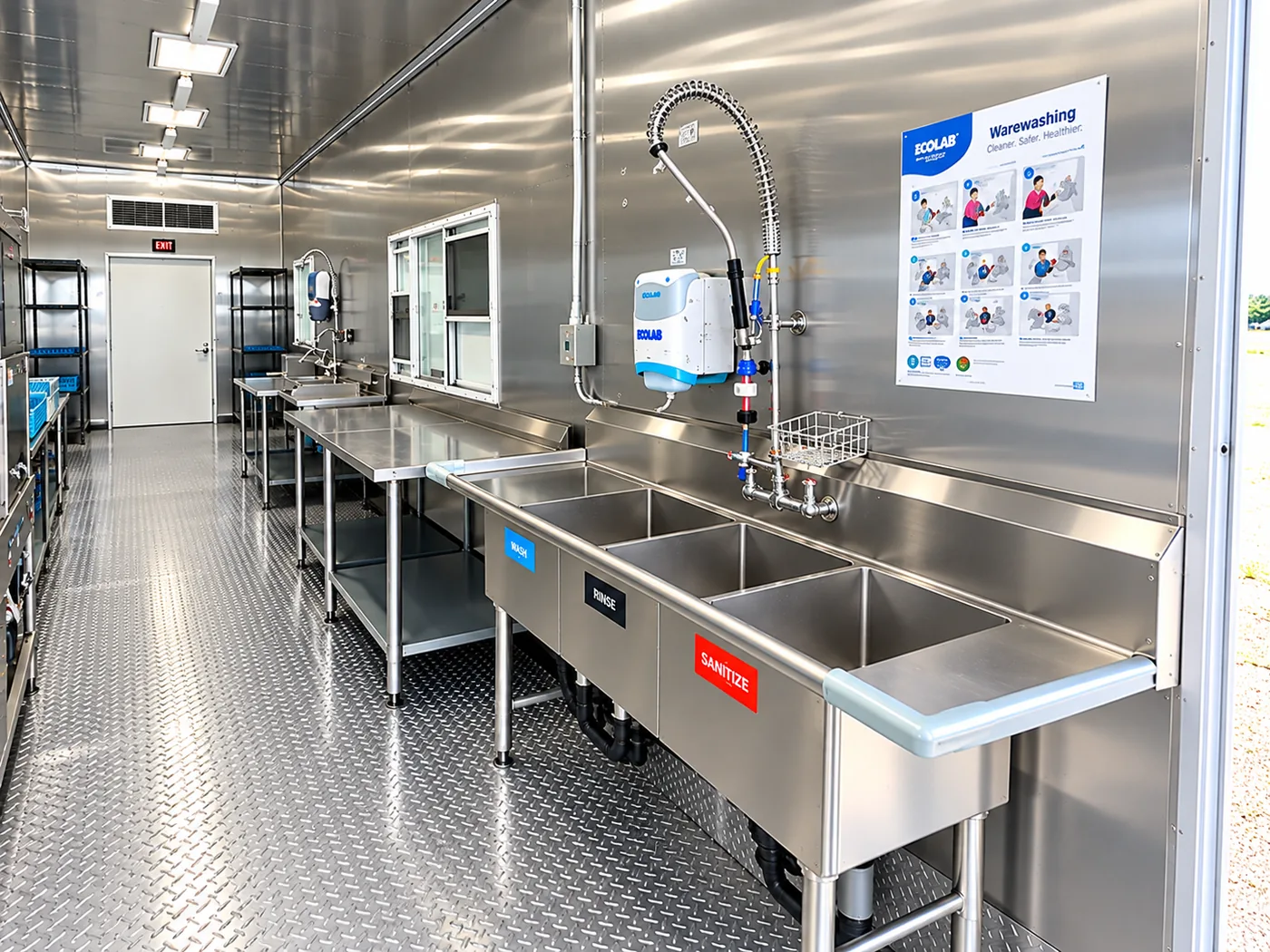
Emergency Commercial Dishwashing Trailer Rentals
Plan peak rack or ware volume, dirty-to-clean movement, hot water, electrical supply, chemicals, drainage, clean storage and service access for the temporary North Carolina dishwashing operation.
Coordinate Refrigeration, Kitchen and Dishwashing Together
When all three services are required, review delivery order, utility capacity, personnel routes, food-safe movement, wastewater handling and service access together. Emergency 24/7 rental support is available to review the proposed commercial refrigeration, mobile kitchen and dishwashing trailer setup, dates and current availability.
Questions for this rental
What should my North Carolina laundry brief record about property access restrictions throughout the rental?
Record property access restrictions, operating hours, planned works and any changes expected during the proposed rental period. Include a measured layout or photographs where useful. For the facility review, also provide textile type and approximate daily load; collection and return schedule.
What should the enquiry include?
Provide the exact project address and required operating dates. Describe the textile types and approximate daily laundry load. Identify who will operate the machines, provide consumables and handle machine cleaning. These details help define the equipment and service responsibilities for the proposal.
Can general rental laundry equipment be assumed suitable for specialist or contaminated textiles?
A general laundry rental must not be assumed suitable for healthcare linen, hazardous contamination or specialist protective clothing without a separately verified process and specification.