
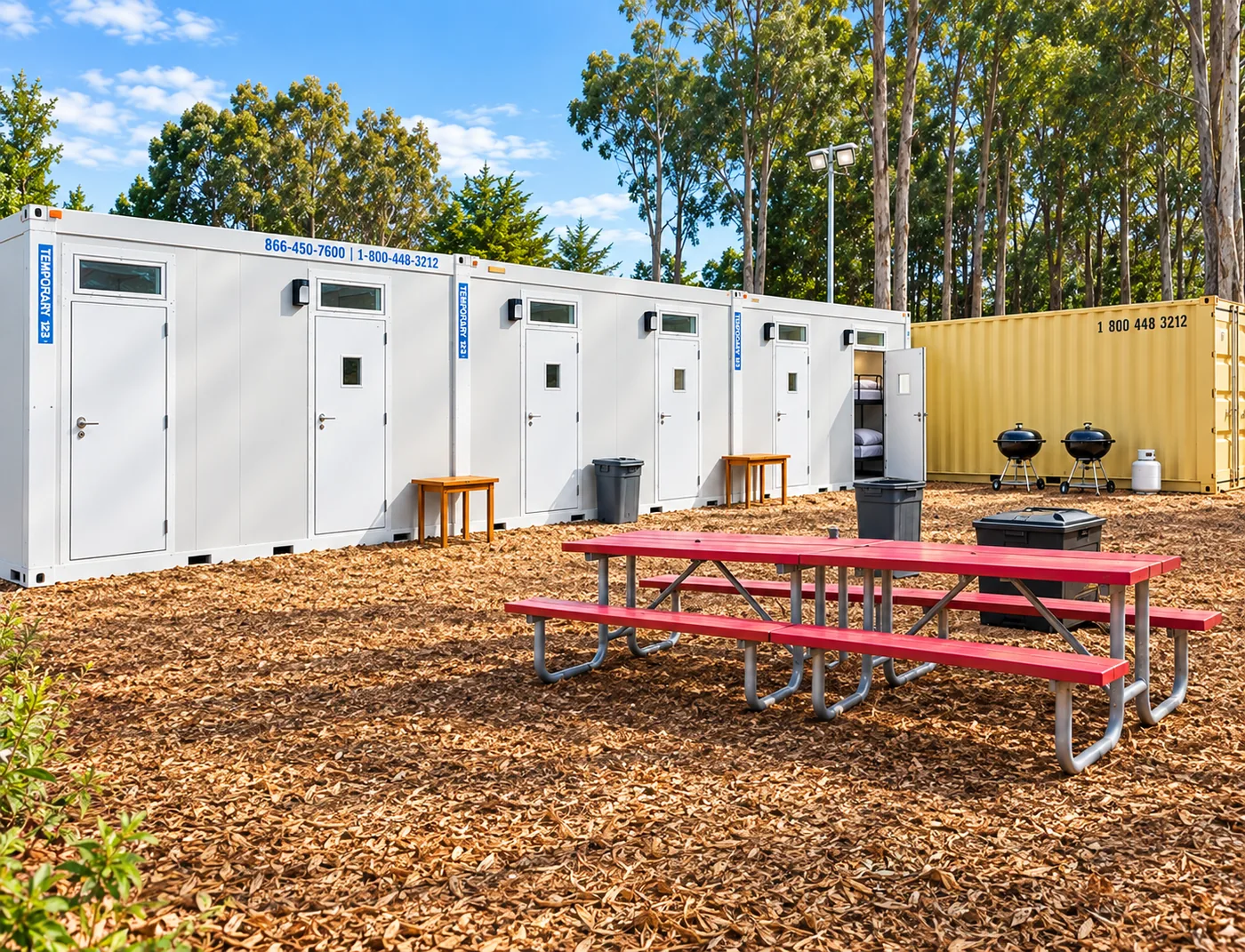
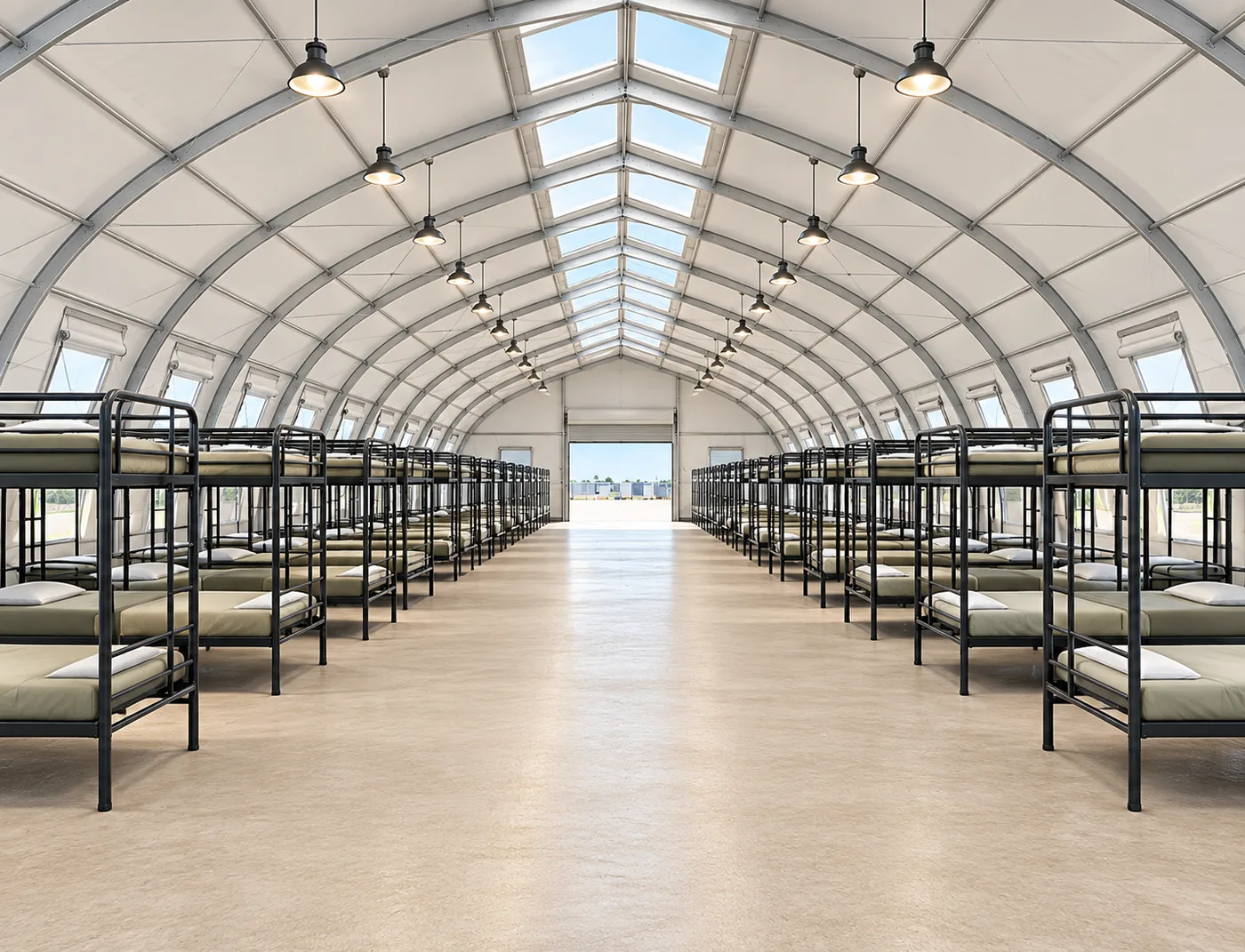
Treat workforce housing as a connected operating system
Sleeping, dining, sanitation, laundry and access to the work area have to function together during shift changes. A camp plan should show how people move between those services without creating avoidable conflicts.
Phase facilities with the workforce mobilization curve
Crew count can change over the project. Delivery order, utility distribution, welfare capacity, service routes and management responsibilities should be reviewed for startup, peak occupancy and demobilization.
Confirm the facility mix against the actual crew plan
Use occupancy by phase, shift rotations, meal service, sanitation demand, laundry needs and site logistics to determine which temporary workforce housing components belong in the proposal.
- Staffing phases and overnight occupancy
- Sleeping, food service and welfare functions
- Site access and delivery sequence
- Utility distribution and regular replenishment
Explore project and location planning
8 planning pages
Questions for this rental
What should the enquiry include?
Provide the exact project address and required operating dates. Describe staffing phases and overnight occupancy. Explain the camp-management, staffing and maintenance services you need included in the proposal. These details help define the equipment and service responsibilities for the proposal.
Does a rental automatically include every supporting service?
A workforce camp description does not prove that transport, security, cooks, housekeeping or all supporting utilities are included. Establish each service line in the written scope.