
How Universities Support Remote Research Field Stations with Temporary Kitchen Rentals and Mobile Foodservice Infrastructure
Article Plans
Across the United States, universities operate remote research stations in locations ranging from coastal ecosystems and marine laboratories to mountain observatories, forestry sites, agricultural research centers, environmental monitoring facilities, and wildlife study campuses. These locations often house faculty, graduate researchers, technicians, visiting scholars, and student teams for weeks or months at a time.
While research facilities are typically designed around scientific operations, foodservice infrastructure is frequently overlooked during expansion projects, facility renovations, seasonal population increases, emergency building repairs, and remote field deployments. As a result, universities are increasingly sourcing temporary kitchen setups that can provide reliable meal production capabilities in challenging environments where permanent foodservice facilities may be limited or unavailable.
For University Dining Directors, Campus Facilities Engineers, Research Operations Administrators, and Auxiliary Services Managers, temporary kitchen rentals offer a flexible and scalable solution for supporting remote field station operations without disrupting critical research activities.
Website: https://icefoxequipment.com/
Phone: +1-888-385-6469
Why Are Universities Using Temporary Kitchens at Remote Research Stations?
Temporary kitchens provide fully functional foodservice capabilities in locations where permanent kitchens are unavailable, under renovation, undersized, or unable to support seasonal population growth. Universities use these facilities to maintain reliable meal service while protecting the continuity of research programs and field operations.
Common situations include:
- Research station expansions
- Laboratory renovations
- Seasonal field research programs
- Temporary housing projects
- Emergency facility outages
- Utility infrastructure upgrades
- Environmental restoration projects
- Remote expedition support operations
Many research stations are located far from commercial foodservice providers, making on-site meal production essential.
What Is a Temporary Kitchen for a University Research Field Station?
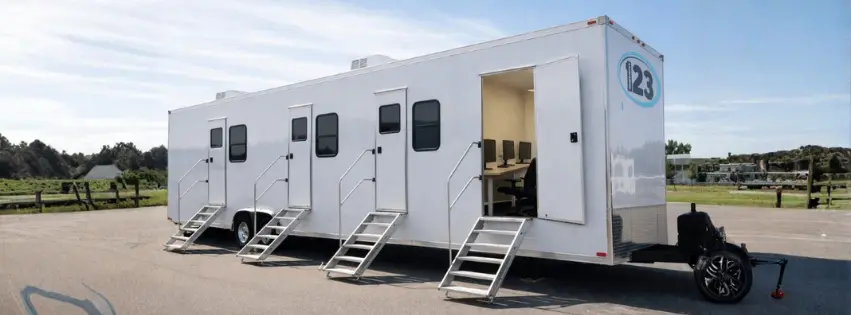
A temporary kitchen is a self-contained commercial foodservice facility capable of supporting meal preparation, storage, sanitation, and foodservice operations in remote environments.
These facilities can include:
| Kitchen Component | Function |
|---|---|
| Commercial Cooking Equipment | Meal preparation |
| Refrigeration Systems | Cold food storage |
| Freezer Storage | Frozen inventory |
| Food Preparation Areas | Ingredient processing |
| Handwashing Stations | Food safety compliance |
| Three-Compartment Sinks | Cleaning and sanitation |
| Dry Storage Areas | Inventory management |
| HVAC Systems | Climate control |
The primary factor determining the kitchen configuration is the number of personnel supported and the duration of the research program.
Why Are Remote Research Stations Challenging from a Foodservice Perspective?
Unlike traditional campus dining facilities, remote research sites often operate under unique conditions.
Challenges may include:
Limited Infrastructure
Remote locations may lack commercial kitchen facilities.
Seasonal Population Surges
Research teams can increase significantly during active field seasons.
Long Supply Chains
Food deliveries may occur weekly or less frequently.
Harsh Environmental Conditions
Locations may experience extreme heat, cold, humidity, wind, or isolation.
Limited Local Services
Nearby restaurants or catering providers may not exist.
Temporary kitchens help overcome these challenges by bringing foodservice capabilities directly to the research site.
What Types of University Research Facilities Commonly Use Temporary Kitchens?
Many types of research operations benefit from temporary foodservice infrastructure.
Marine Research Stations
Supporting coastal and oceanographic research programs.
Forestry Research Centers
Housing scientists and field crews working in remote woodland environments.
Agricultural Research Facilities
Supporting crop, livestock, and environmental studies.
Environmental Monitoring Stations
Providing meal support for long-term ecological research teams.
Geological Research Sites
Serving faculty and students conducting field investigations.
Wildlife Research Facilities
Supporting conservation and biological research projects.
These locations often require dependable foodservice operations despite their remote settings.
How Many Meals Can a Temporary Research Station Kitchen Produce?
Temporary kitchens are available in multiple sizes depending on project requirements.
| Temporary Kitchen Type | Estimated Daily Meal Capacity |
| 24 ft Mobile Kitchen | 50–200 Meals |
| 28 ft Mobile Kitchen | 300–500 Meals |
| 40 ft Standard Kitchen | 400–700 Meals |
| 40 ft Combination Kitchen | 500–700 Meals |
| 40 ft Bulk Production Kitchen | 1,500–3,000 Meals |
| Modular Research Facility Kitchen | 3,000+ Meals |
Most research stations require capacities based on staffing levels rather than large campus populations.
However, summer research programs and multi-agency projects can significantly increase meal demand.
What Features Are Most Important for Remote Research Foodservice Operations?
Research facilities often prioritize different features than traditional campus dining halls.
Key requirements may include:
Long-Term Reliability
Equipment must perform consistently in remote environments.
Refrigerated Storage Capacity
Large storage volumes help reduce delivery frequency.
Flexible Menu Production
Supporting diverse dietary requirements and rotating personnel.
Efficient Utility Usage
Remote locations may have limited power or water resources.
Easy Maintenance
Reducing dependence on local service providers.
Durability
Equipment must withstand challenging operating conditions.
These considerations often influence equipment selection and site planning.
How Do Temporary Kitchens Support Seasonal Research Programs?
Many universities experience substantial increases in field station populations during:
- Summer research sessions
- Environmental monitoring seasons
- Marine science programs
- Wildlife surveys
- Agricultural growing seasons
- Climate research initiatives
Temporary kitchens allow institutions to:
- Expand foodservice capacity quickly
- Support visiting researchers
- Accommodate student interns
- Maintain meal quality
- Reduce logistical complexity
The flexibility of temporary infrastructure makes it particularly valuable for seasonal operations.
What Site Considerations Should Facilities Engineers Evaluate?
Site planning is one of the most important aspects of a successful deployment.
Common evaluation criteria include:
| Site Consideration | Importance |
| Utility Availability | Critical |
| Water Supply | Required |
| Wastewater Management | Required |
| Vehicle Access | Essential |
| Fuel Availability | Important |
| Environmental Conditions | Important |
| Research Activity Separation | Critical |
Proper planning helps ensure safe and efficient operation throughout the project.
What Utility Requirements Are Common at Remote Research Stations?
Utility infrastructure varies significantly between locations.
Typical requirements include:
| Utility Requirement | Typical Need |
| Electrical Service | 100–400 Amps Depending on Configuration |
| Potable Water | Required |
| Wastewater Disposal | Required |
| Propane or Natural Gas | Depending on Equipment |
| Generator Support | Often Recommended |
| Internet Connectivity | Optional |
In highly remote environments, supplemental generators, water storage tanks, and wastewater collection systems may also be incorporated into the project.
How Much Does a Temporary Kitchen for a Research Field Station Cost?
Rental pricing varies depending on equipment selection, deployment duration, transportation requirements, and site conditions.
| Kitchen Configuration | Estimated Monthly Rental |
| 24 ft Mobile Kitchen | $4,995–$7,995 |
| 28 ft Mobile Kitchen | $5,995–$8,995 |
| 40 ft Standard Kitchen | $8,995–$12,995 |
| 40 ft Combination Kitchen | $9,495–$13,495 |
| 40 ft Bulk Production Kitchen | $9,995–$14,995 |
| Modular Research Kitchen Complex | Custom Quote |
Additional costs may include:
- Transportation to remote locations
- Utility setup
- Generator packages
- Refrigeration trailers
- Water storage systems
- Wastewater management solutions
- Site preparation
Ice Fox Equipment provides customized project assessments based on operational requirements and site conditions.
Why Are Universities Choosing Temporary Kitchens Instead of Off-Site Catering?
Many research stations are located hours away from commercial foodservice providers.
Temporary kitchens offer several advantages:
- Greater menu flexibility
- Reduced transportation challenges
- Better food quality control
- Improved food safety oversight
- Support for unique dietary needs
- Enhanced operational independence
For remote facilities, on-site meal preparation is often the most practical and cost-effective solution.
Why Choose Ice Fox Equipment for University Research Station Kitchen Rentals?
Ice Fox Equipment provides temporary foodservice infrastructure for universities and educational institutions throughout the United States.
Benefits include:
- Nationwide deployment
- Remote site experience
- Research station support solutions
- Utility planning assistance
- Customized kitchen configurations
- Emergency deployment capabilities
- Long-term rental programs
Website: https://icefoxequipment.com/
Phone: +1-888-385-6469
Request a Quote
For nationwide temporary dishroom rentals, extended roller table systems, and emergency warewashing support, contact Ice Fox Equipment today.

Frequently Asked Questions
Yes. Many temporary kitchens are designed to operate in remote environments and can be configured with generators, water systems, and wastewater solutions when necessary. Ice Fox Equipment evaluates each location individually to determine infrastructure requirements. Contact +1-888-385-6469 for a site assessment.
Capacity depends on the kitchen configuration selected. Some units support fewer than 100 meals per day, while larger systems can serve several thousand meals daily. Visit https://icefoxequipment.com/ to discuss your staffing projections and operational needs.
Absolutely. Many research projects and facility renovations require long-term deployments lasting months or years. Ice Fox Equipment offers flexible rental programs designed to support extended operations in remote locations.