
How Universities and School Districts Are Sourcing Temporary Dishwashing Systems That Meet Modern Sustainability Requirements
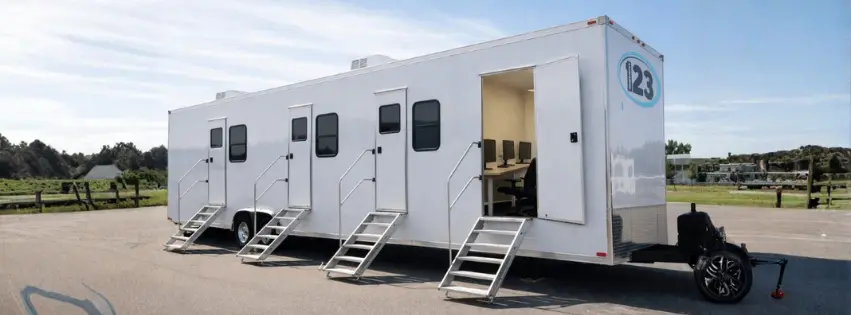
Article Plans
Sustainability has become a major decision-making factor for educational institutions planning dining hall renovations, cafeteria modernization projects, student union expansions, and emergency foodservice deployments. Universities and K-12 school districts are no longer evaluating temporary dishwashing systems solely on cleaning performance and throughput. Today, many institutions require warewashing equipment that aligns with campus sustainability initiatives, environmental reporting standards, utility reduction goals, and long-term carbon reduction strategies.
As a result, educational foodservice leaders are increasingly sourcing temporary dishwashers designed to reduce water consumption, lower energy usage, minimize chemical waste, and support environmentally responsible operations without compromising sanitation standards.
For University Dining Directors, K-12 Food Service Managers, School District Superintendents, and Campus Facilities Engineers, selecting a sustainable temporary dishwashing solution can help maintain compliance with institutional environmental goals while ensuring uninterrupted meal service during renovation and construction projects.
Website: https://icefoxequipment.com/
Phone: +1-888-385-6469
Why Are Sustainability Requirements Affecting Temporary Dishwashing Equipment Selection?
Universities and school districts are increasingly establishing measurable sustainability objectives that include water conservation, energy efficiency, waste reduction, and carbon footprint management. Temporary foodservice infrastructure is often expected to meet the same environmental standards as permanent campus facilities.
Many educational institutions now track:
- Water usage
- Energy consumption
- Waste generation
- Recycling rates
- Greenhouse gas reduction goals
- Utility costs
- Sustainability reporting metrics
Temporary dishwashing systems that consume excessive resources can negatively impact these objectives.
As a result, sustainability performance has become an important factor when evaluating temporary warewashing equipment.
What Makes a Temporary Dishwasher Sustainable?
Sustainable dishwashing systems are designed to minimize resource consumption while maintaining cleaning and sanitizing performance.
Key characteristics include:
Reduced Water Consumption
Efficient systems use less water per rack or per dish processed.
Lower Energy Requirements
Modern equipment minimizes heating and operational energy demands.
Efficient Chemical Usage
Automated dispensing systems help reduce sanitizer and detergent waste.
Reduced Wastewater Generation
Lower water usage typically results in less wastewater production.
Long Equipment Life Cycles
Durable systems reduce replacement frequency and environmental impact.
The primary factor determining sustainability performance is how efficiently the system uses resources while maintaining required sanitation standards.
How Do Sustainable Dishwashers Reduce Water Consumption?
Water conservation remains one of the most important sustainability goals for many educational institutions.
Modern temporary dishwashing systems may include:
- Recirculating wash water systems
- High-efficiency rinse systems
- Optimized spray nozzles
- Automated flow controls
- Water-saving wash cycles
These features help reduce fresh water demand without compromising cleaning performance.
Benefits include:
- Lower utility costs
- Reduced wastewater generation
- Improved sustainability metrics
- Reduced environmental impact
For large universities processing thousands of dishes daily, even small reductions in water consumption can generate significant savings over the course of a renovation project.
Why Is Energy Efficiency Important in Temporary Warewashing Operations?
Dishwashing equipment requires energy for:
- Water heating
- Pumps
- Conveyor systems
- Drying functions
- Control systems
Energy-efficient dishwashers help institutions:
- Reduce utility expenses
- Lower carbon emissions
- Support sustainability reporting
- Improve operational efficiency
Educational institutions increasingly prioritize equipment that contributes to campus-wide energy reduction initiatives.
How Do Sustainable Dishwashing Systems Support University Climate Goals?
Many universities have adopted formal sustainability plans that include aggressive environmental targets.
Examples often include:
- Carbon neutrality goals
- Water conservation programs
- LEED initiatives
- Renewable energy adoption
- Waste diversion programs
Temporary foodservice facilities are often expected to align with these institutional commitments.
Sustainable dishwashing systems help support these efforts by reducing the environmental footprint of temporary dining operations.
What Types of Educational Facilities Benefit Most from Sustainable Dishwashing Systems?
Universities
Large residential dining programs often process thousands of dishes daily and have formal sustainability reporting requirements.
Community Colleges
Renovation projects frequently require temporary foodservice facilities that align with institutional environmental goals.
K-12 School Districts
School nutrition programs increasingly focus on resource conservation and operational efficiency.
Boarding Schools
Residential dining facilities benefit from reduced utility consumption and lower operating costs.
Conference and Event Facilities
Sustainable operations help support campus-wide environmental initiatives.
What Temporary Dishwashing Configurations Are Available?
Educational institutions can select from a variety of temporary warewashing solutions depending on meal volume and sustainability objectives.
| Temporary Dishwashing System | Typical Capacity |
|---|---|
| Compact Dishwashing Trailer | Up to 1,500 Dishes Per Hour |
| Conveyor Dishwashing Trailer | Up to 2,000 Dishes Per Hour |
| High-Temperature Dishwashing Trailer | Up to 3,000 Dishes Per Hour |
| Modular Dishroom Facility | 3,000+ Dishes Per Hour |
| Multi-Line Warewashing Facility | Large Campus Operations |
The ideal system depends on meal counts, tray return rates, and project duration.
How Do Sustainable Dishwashers Help Reduce Operating Costs?
Resource-efficient systems often provide measurable financial benefits.
Potential savings areas include:
Water Costs
Reduced consumption lowers utility bills.
Sewer Charges
Less wastewater typically means lower disposal costs.
Energy Expenses
Efficient heating systems consume less energy.
Chemical Costs
Automated dispensing reduces waste and overuse.
Maintenance Expenses
Modern equipment often requires less servicing.
For long-term renovation projects, these savings can become substantial.
What Utility Requirements Should Facilities Engineers Evaluate?
Before deploying a temporary dishwashing facility, facilities teams should review utility infrastructure.
| Utility Requirement | Typical Specification |
| Electrical Service | 220V Single Phase |
| Electrical Capacity | Approximately 150 Amps |
| Potable Water Supply | Required |
| Wastewater Disposal | Required |
| Site Access | Commercial Vehicle Access |
| Drainage Infrastructure | Required |
Utility planning remains an essential component of successful project implementation.
How Much Does It Cost to Rent a Sustainable Temporary Dishwasher?
Rental pricing varies based on equipment type, throughput requirements, project duration, and sustainability features.
| Equipment Package | Estimated Monthly Rental |
| Compact Dishwashing Trailer | $4,995 – $6,995 |
| Conveyor Dishwashing Trailer | $6,995 – $8,995 |
| High-Temperature Dishwashing Trailer | $7,995 – $10,995 |
| Modular Dishroom Facility | Custom Quote |
| Sustainability Upgrade Package | Project Specific |
Additional costs may include:
- Delivery and installation
- Utility connections
- Water management systems
- Wastewater systems
- Permit coordination
- Site preparation
Ice Fox Equipment provides customized project assessments for educational institutions nationwide.
Why Are Educational Institutions Choosing Sustainable Temporary Foodservice Infrastructure?
Today’s campus leaders must balance:
- Food safety
- Sustainability objectives
- Budget management
- Utility consumption
- Operational efficiency
- Environmental stewardship
Sustainable temporary dishwashing systems help institutions achieve these goals while maintaining uninterrupted dining operations.
As universities and school districts continue investing in environmental initiatives, sustainability-focused temporary infrastructure is becoming a preferred solution rather than a niche option.
Why Choose Ice Fox Equipment for Sustainable Temporary Dishwashing Solutions?
Ice Fox Equipment provides temporary warewashing and foodservice infrastructure designed to support educational institutions throughout the United States.
Benefits include:
- Nationwide deployment
- Sustainable equipment options
- Educational foodservice expertise
- Utility planning assistance
- Long-term rental programs
- Renovation support services
- Emergency response capabilities
Website: https://icefoxequipment.com/
Phone: +1-888-385-6469
Request a Quote
For nationwide temporary dishroom rentals, extended roller table systems, and emergency warewashing support, contact Ice Fox Equipment today.

Frequently Asked Questions
Universities should evaluate water consumption, energy efficiency, chemical management systems, and wastewater reduction capabilities. Ice Fox Equipment can help identify solutions that align with campus sustainability objectives and operational requirements. Contact +1-888-385-6469 for a project assessment.
Yes. Resource-efficient dishwashing systems can reduce water and energy consumption, helping institutions lower the environmental impact of temporary foodservice operations. Visit https://icefoxequipment.com/ to explore available options.
Absolutely. Many high-capacity conveyor dishwashing systems are designed to process thousands of dishes per hour while incorporating water-saving and energy-efficient technologies. Ice Fox Equipment can recommend a configuration based on meal volume and sustainability goals.