
How School Districts Maintain Student Meal Service During Emergency Asbestos Removal Projects with Temporary Kitchen Facilities
Article Plans
When asbestos is discovered in a school cafeteria, kitchen, dining commons, or foodservice support area, administrators must act quickly to protect students, faculty, staff, and contractors. Emergency asbestos abatement projects often require immediate closure of kitchen facilities, restricted access zones, air quality monitoring, and extensive remediation procedures that can disrupt daily meal service operations.
For K-12 school districts, shutting down meal production is rarely an option. Students still depend on breakfast programs, lunch service, after-school nutrition initiatives, and federally supported meal programs. As a result, many districts across the United States are turning to temporary kitchen facilities that allow foodservice operations to continue safely while asbestos removal projects are completed.
For K-12 Food Service Managers, School District Superintendents, Campus Facilities Engineers, and School Construction Administrators, temporary kitchens provide an effective continuity solution that helps maintain student nutrition services during emergency environmental remediation projects.
Website: https://icefoxequipment.com/
Phone: +1-888-385-6469
Why Do Schools Need Temporary Kitchens During Emergency Asbestos Removal?
Emergency asbestos remediation often requires complete closure of affected foodservice areas until testing, containment, removal, and clearance procedures have been completed. Temporary kitchens allow districts to continue preparing and serving meals without interrupting critical nutrition programs.
Common situations include:
- Asbestos discovered during renovations
- Damaged ceiling materials
- Pipe insulation removal
- Flooring replacement projects
- Water damage affecting asbestos-containing materials
- HVAC system upgrades
- Emergency building repairs
- Environmental safety investigations
Because asbestos abatement can take weeks or months depending on project scope, temporary foodservice facilities help schools maintain operational continuity throughout the process.
What Is a Temporary Kitchen for Emergency School Cafeteria Closures?
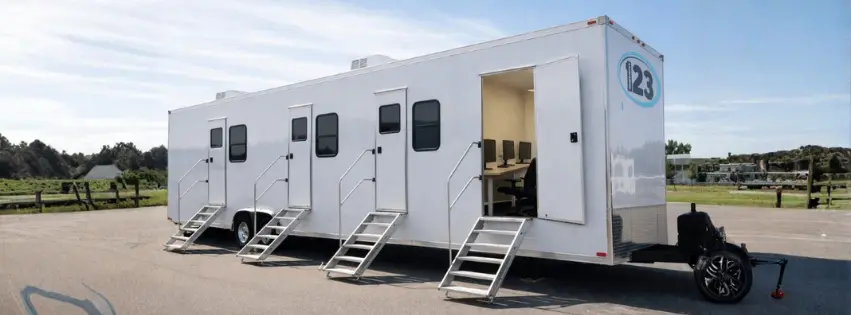
A temporary kitchen is a fully operational commercial foodservice facility designed to replace or supplement a school’s permanent kitchen during construction, environmental remediation, or emergency situations.
These facilities typically include:
| Kitchen Component | Purpose |
|---|---|
| Commercial Cooking Equipment | Meal preparation |
| Refrigeration Systems | Food storage |
| Freezer Storage | Frozen inventory |
| Food Preparation Stations | Ingredient processing |
| Handwashing Stations | Hygiene compliance |
| Three-Compartment Sinks | Cleaning and sanitizing |
| Dry Storage Areas | Inventory management |
| Ventilation Systems | Safe operation |
The primary factor determining kitchen size is the school’s meal volume and service requirements.
How Long Can Asbestos Removal Projects Impact School Foodservice Operations?
The duration of asbestos remediation varies significantly based on the size and complexity of the affected area.
Typical project timelines may include:
| Project Type | Estimated Duration |
| Small Containment Area | 1–3 Weeks |
| Cafeteria Flooring Removal | 2–6 Weeks |
| Kitchen Ceiling Remediation | 3–8 Weeks |
| Full Kitchen Abatement | 1–4 Months |
| Multi-Building Environmental Projects | Several Months |
Many districts discover that temporary kitchen solutions are necessary for much longer than originally anticipated.
Planning for extended operations helps reduce disruptions if project schedules change.
Why Is Meal Continuity So Important During Environmental Remediation Projects?
School nutrition programs play a critical role in student well-being and academic performance.
Many districts support:
- National School Lunch Program (NSLP)
- School Breakfast Program
- After-school meal services
- Summer feeding initiatives
- Special education meal programs
Interruptions can create challenges for:
- Student nutrition access
- Family meal planning
- District reimbursement programs
- Staff operations
- School schedules
Temporary kitchens help ensure students continue receiving meals while remediation work proceeds safely.
What Types of Temporary Kitchen Configurations Are Available for Schools?
Schools can select temporary kitchen solutions based on enrollment levels and production requirements.
| Temporary Kitchen Configuration | Daily Meal Capacity |
| 24 ft Mobile Kitchen | 50–200 Meals |
| 28 ft Mobile Kitchen | 300–500 Meals |
| 40 ft Standard Kitchen | 400–700 Meals |
| 40 ft Combination Kitchen | 500–700 Meals |
| 40 ft Bulk Production Kitchen | 1,500–3,000 Meals |
| Modular School Kitchen Complex | 3,000+ Meals |
Larger school districts often combine multiple units to support centralized meal production programs.
How Do Temporary Kitchens Support Health and Safety During Asbestos Projects?
One of the primary goals of asbestos remediation is preventing exposure while maintaining safe operations.
Temporary kitchens help by:
Separating Foodservice Operations
Meal preparation occurs outside remediation zones.
Supporting Food Safety Compliance
Proper sanitation and temperature controls remain in place.
Reducing Construction Interference
Foodservice staff can continue operations without entering restricted areas.
Improving Project Efficiency
Contractors can complete remediation work without coordinating around active kitchen operations.
This separation benefits both the remediation team and the school nutrition department.
What Site Considerations Should Facilities Engineers Evaluate?
Before installing a temporary kitchen, facilities personnel should assess available space and infrastructure.
Common installation locations include:
- School parking lots
- Service roads
- Athletic facility parking areas
- Bus staging zones
- Temporary operations compounds
Key planning considerations include:
| Site Factor | Importance |
| Utility Availability | Critical |
| Water Access | Required |
| Wastewater Disposal | Required |
| Delivery Access | Essential |
| Student Traffic Separation | Important |
| Emergency Vehicle Access | Recommended |
| Security | Important |
Proper site selection helps maintain efficient operations throughout the project.
What Utility Requirements Are Needed for Temporary School Kitchens?
Utility planning should begin as soon as remediation schedules are established.
| Utility Requirement | Typical Need |
| Electrical Service | 100–400 Amps Depending on Configuration |
| Potable Water | Required |
| Wastewater Disposal | Required |
| Propane or Natural Gas | Depending on Equipment |
| Internet Connectivity | Optional |
| Backup Generator | Recommended |
Early utility assessments help avoid installation delays.
How Much Does a Temporary Kitchen Cost During an Asbestos Remediation Project?
Rental costs vary depending on kitchen size, deployment duration, equipment package, and site conditions.
| Kitchen Configuration | Estimated Monthly Rental |
| 24 ft Mobile Kitchen | $4,995–$7,995 |
| 28 ft Mobile Kitchen | $5,995–$8,995 |
| 40 ft Standard Kitchen | $8,995–$12,995 |
| 40 ft Combination Kitchen | $9,495–$13,495 |
| 40 ft Bulk Production Kitchen | $9,995–$14,995 |
| Modular School Kitchen Complex | Custom Quote |
Additional costs may include:
- Delivery and setup
- Utility hookups
- Refrigeration trailers
- Temporary dishwashing facilities
- Generator systems
- Water and wastewater services
- Permit coordination
Ice Fox Equipment provides customized project estimates based on district requirements.
Why Are More Districts Including Temporary Kitchens in Emergency Preparedness Plans?
Unexpected facility closures can occur at any time due to:
- Environmental hazards
- Fire damage
- Flooding
- Utility failures
- Structural repairs
- Construction discoveries
School districts increasingly view temporary foodservice infrastructure as part of broader continuity planning.
Benefits include:
- Faster response times
- Reduced operational disruption
- Continued student meal access
- Better project flexibility
- Improved emergency readiness
Many districts now incorporate temporary kitchen planning into their capital improvement and risk management strategies.
Why Choose Ice Fox Equipment for Emergency School Kitchen Rentals?
Ice Fox Equipment provides temporary foodservice infrastructure for educational institutions throughout the United States.
Benefits include:
- Nationwide deployment
- School nutrition expertise
- Emergency response capabilities
- Rapid mobilization services
- Utility planning assistance
- Long-term rental programs
- Construction and remediation project support
Website: https://icefoxequipment.com/
Phone: +1-888-385-6469
Request a Quote
For nationwide temporary dishroom rentals, extended roller table systems, and emergency warewashing support, contact Ice Fox Equipment today.

Frequently Asked Questions
Yes. Temporary kitchens are commonly deployed to allow meal service to continue while asbestos remediation projects are completed in separate, controlled areas. Ice Fox Equipment can help districts evaluate site conditions and deployment options. Contact +1-888-385-6469 for immediate assistance.
Deployment timelines vary based on location, utility availability, and equipment requirements. Emergency response solutions are available nationwide to help districts restore foodservice operations as quickly as possible. Visit https://icefoxequipment.com/ to discuss your situation.
Yes. Properly configured temporary kitchens can support meal preparation, storage, sanitation, and serving operations needed to continue school nutrition programs. Ice Fox Equipment can recommend a configuration based on your daily meal counts.