
Why Exclusive Polo Clubs and Equine Sports Venues Are Using Temporary Kitchens to Elevate Hospitality Experiences
Article Plans
Polo tournaments, equestrian competitions, horse shows, dressage championships, hunter-jumper events, steeplechase races, and private equine club gatherings are known for attracting affluent guests, sponsors, members, competitors, and VIP attendees. These events often combine world-class sports with luxury hospitality, premium catering, corporate entertainment, and exclusive social experiences.
However, many polo fields and equestrian venues were originally designed around competition infrastructure rather than large-scale foodservice operations. As attendance grows and hospitality expectations increase, many clubs are sourcing temporary kitchen facilities to support catering operations, sponsor lounges, member dining, VIP hospitality tents, and special events.
For Concert Promoters, Festival Logistics Directors, High-End Wedding Planners, Country Club Managers, and Film Production Unit Managers involved in luxury outdoor events, temporary kitchens provide the flexibility and capacity necessary to deliver premium hospitality without constructing permanent facilities.
Website: https://icefoxequipment.com/
Phone: +1-888-385-6469
Why Do Polo Clubs and Equine Venues Need Temporary Kitchens?
Many equestrian venues host events that attract hundreds or thousands of attendees but lack sufficient permanent kitchen infrastructure to support large hospitality programs.
Common situations include:
- National polo tournaments
- International equestrian competitions
- Charity polo matches
- Sponsor hospitality programs
- Member events
- VIP viewing experiences
- Luxury tented receptions
- Seasonal championship events
The primary factor determining temporary kitchen requirements is the size of the hospitality operation and expected guest attendance.
What Is a Temporary Kitchen for an Equine Sports Event?
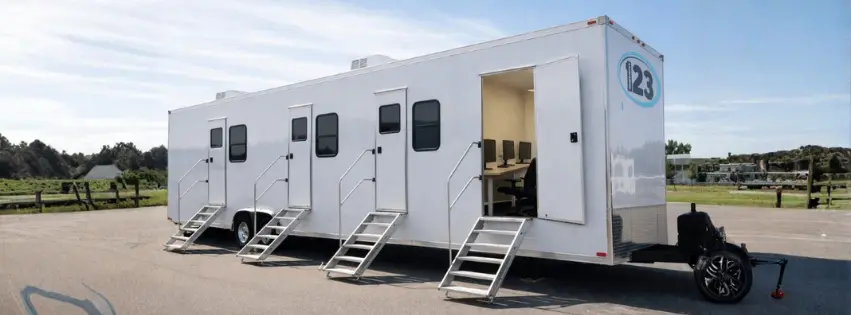
A temporary kitchen is a mobile or modular commercial foodservice facility designed to prepare, cook, store, and serve food during events where permanent kitchen capacity is unavailable or insufficient.
Typical components include:
| Kitchen Component | Purpose |
|---|---|
| Commercial Cooking Equipment | Meal production |
| Refrigeration Systems | Cold food storage |
| Freezer Capacity | Frozen inventory management |
| Food Preparation Stations | Ingredient processing |
| Handwashing Facilities | Food safety compliance |
| Ventilation Systems | Safe cooking operations |
| Dry Storage Areas | Inventory organization |
| Dishwashing Equipment | Warewashing support |
These facilities can operate independently or support existing clubhouse kitchens.
Why Is Hospitality So Important at Polo and Equestrian Events?
Modern equestrian events are often as much about hospitality as they are about competition.
Common hospitality programs include:
VIP Sponsor Lounges
Providing premium food and beverage experiences.
Member Dining Areas
Serving club members and guests.
Corporate Entertainment Spaces
Hosting clients and business partners.
Luxury Tent Hospitality
Supporting premium event packages.
Awards Ceremonies and Receptions
Providing banquet-style catering.
High-quality foodservice helps enhance guest satisfaction and sponsor engagement.
What Types of Equine Events Benefit Most from Temporary Kitchens?
Polo Tournaments
Large hospitality programs often require substantial catering support.
Horse Shows
Multi-day competitions create ongoing foodservice demands.
Dressage Competitions
Premium hospitality areas frequently accompany championship events.
Hunter-Jumper Events
VIP guests expect elevated dining experiences.
Charity Fundraisers
Foodservice plays a major role in guest engagement.
Private Club Gatherings
Temporary kitchens support seasonal events and celebrations.
These events often generate foodservice volumes that exceed permanent facility capacities.
How Many Guests Can a Temporary Kitchen Support?
Modern mobile kitchens can accommodate a wide range of event sizes.
| Kitchen Configuration | Estimated Daily Meal Capacity |
| 24 ft Mobile Kitchen | 50–200 Meals |
| 28 ft Mobile Kitchen | 300–500 Meals |
| 40 ft Standard Kitchen | 400–700 Meals |
| 40 ft Combination Kitchen | 500–700 Meals |
| 40 ft Bulk Production Kitchen | 1,500–3,000 Meals |
| Modular Hospitality Kitchen Complex | 3,000+ Meals |
Large equestrian events often deploy multiple units to support different hospitality areas.
Why Are Temporary Kitchens Better Than Offsite Catering?
While offsite catering can be effective for smaller events, larger hospitality programs often benefit from onsite production.
Advantages include:
Fresher Food
Meals can be prepared closer to service times.
Greater Menu Flexibility
Chefs can respond to changing event needs.
Faster Service
Food does not need to travel long distances.
Better Quality Control
Operators maintain direct oversight.
Enhanced Guest Experience
Premium dining standards are easier to maintain.
For luxury hospitality environments, onsite production often delivers superior results.
What Features Should Event Organizers Prioritize?
When evaluating temporary kitchen options, operators should consider both production and hospitality requirements.
| Feature | Benefit |
| High-Capacity Refrigeration | Supports large guest counts |
| Expanded Prep Areas | Improved workflow |
| Premium Cooking Equipment | Menu flexibility |
| Dishwashing Systems | Efficient sanitation |
| Weather-Resistant Construction | Outdoor reliability |
| Flexible Utility Connections | Easier installation |
The ideal configuration depends on guest volume, menu complexity, and event duration.
What Site Challenges Are Common at Equine Venues?
Polo fields and horse show grounds often create unique logistical considerations.
Common challenges include:
Large Open Spaces
Long distances between hospitality zones.
Temporary Infrastructure
Many facilities are seasonal.
Utility Limitations
Power and water access may be restricted.
Weather Exposure
Outdoor environments require durable equipment.
Heavy Event Traffic
Coordination with spectators, vendors, and participants is essential.
Proper planning helps ensure efficient operations throughout the event.
What Utility Requirements Should Be Evaluated?
Before installation, operators should review available infrastructure.
| Utility Requirement | Typical Need |
| Electrical Service | Required |
| Potable Water | Required |
| Wastewater Disposal | Required |
| Propane or Natural Gas | Depending on Equipment |
| Generator Support | Often Recommended |
| Site Access | Required |
Early utility planning helps reduce setup delays and operational risks.
How Much Does a Temporary Kitchen for a Polo Club Event Cost?
Rental pricing varies depending on kitchen size, deployment duration, event complexity, and support requirements.
| Kitchen Configuration | Estimated Monthly Rental |
| 24 ft Mobile Kitchen | $4,995–$7,995 |
| 28 ft Mobile Kitchen | $5,995–$8,995 |
| 40 ft Standard Kitchen | $8,995–$12,995 |
| 40 ft Combination Kitchen | $9,495–$13,495 |
| 40 ft Bulk Production Kitchen | $9,995–$14,995 |
| Modular Hospitality Kitchen Complex | Custom Quote |
Additional costs may include:
- Delivery and installation
- Utility hookups
- Generator systems
- Refrigeration trailers
- Temporary dishwashing facilities
- Water and wastewater services
- Site preparation
Ice Fox Equipment provides customized project assessments based on venue requirements and hospitality objectives.
Why Are Polo Clubs Investing More in Hospitality Infrastructure?
Premium hospitality has become a major revenue driver for many equine sports organizations.
Benefits include:
- Increased sponsorship opportunities
- Enhanced member satisfaction
- Higher ticket values
- Improved guest experiences
- Expanded event capabilities
- Greater operational flexibility
Temporary kitchens help venues deliver these benefits without permanent construction costs.
Why Choose Ice Fox Equipment for Equine Event Kitchen Rentals?
Ice Fox Equipment provides temporary foodservice infrastructure solutions for polo clubs, equestrian venues, festivals, weddings, country clubs, sporting events, and hospitality operators throughout the United States.
Benefits include:
- Nationwide deployment
- Hospitality-focused kitchen solutions
- High-capacity foodservice support
- Utility planning assistance
- Event infrastructure expertise
- Emergency deployment services
- Flexible rental programs
Website: https://icefoxequipment.com/
Phone: +1-888-385-6469
Request a Quote
For nationwide temporary dishroom rentals, extended roller table systems, and emergency warewashing support, contact Ice Fox Equipment today.

Frequently Asked Questions
Yes. Temporary kitchens can be configured to support premium dining programs, sponsor lounges, executive hospitality areas, and luxury catering operations. Ice Fox Equipment can recommend a solution based on guest count and menu requirements. Contact +1-888-385-6469 for assistance.
Absolutely. Mobile and modular kitchens are commonly deployed for events lasting several days, weeks, or entire competition seasons. Visit https://icefoxequipment.com/ to discuss your event schedule.
Yes. Many venues use temporary kitchens to expand production capacity during major tournaments, championship events, or seasonal hospitality programs without disrupting permanent operations.