
Why Universities and School Districts Are Choosing Mobile Kitchens with Non-Slip Commercial Flooring and Full-Coverage Floor Drain Systems
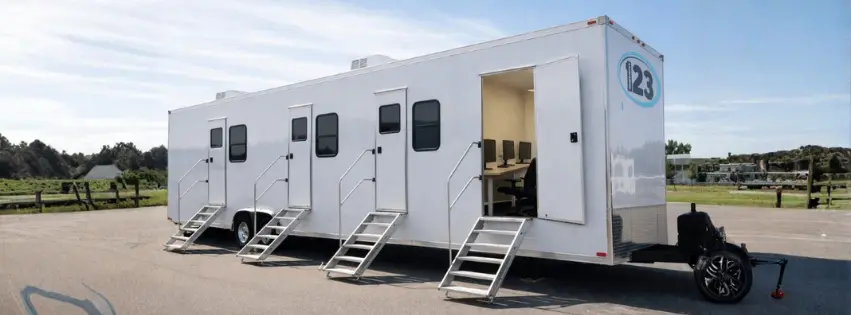
Article Plans
When educational institutions plan temporary foodservice operations during dining hall renovations, cafeteria expansions, emergency kitchen outages, or campus modernization projects, food production equipment often receives the most attention. However, one of the most important factors affecting safety, sanitation, and operational efficiency is the flooring system beneath every employee and piece of equipment.
Universities, colleges, boarding schools, and K-12 districts are increasingly sourcing mobile kitchens equipped with non-slip commercial flooring and strategically placed floor drains throughout the facility. These features help reduce slip-and-fall risks, improve sanitation procedures, accelerate cleaning operations, and support health department compliance during temporary foodservice deployments.
For University Dining Directors, K-12 Food Service Managers, School District Superintendents, and Campus Facilities Engineers, flooring and drainage design can significantly impact the success of a temporary kitchen project.
Website: https://icefoxequipment.com/
Phone: +1-888-385-6469
Why Is Non-Slip Flooring Critical in Temporary Educational Kitchens?
Non-slip commercial flooring provides a safer working environment by reducing the likelihood of slips, trips, and falls in wet or high-traffic foodservice environments. Educational facilities serving hundreds or thousands of meals daily depend on durable flooring systems that maintain traction even during peak production and cleanup periods.
Foodservice environments frequently encounter:
- Water spills
- Grease accumulation
- Ice melt from refrigeration equipment
- Cleaning chemicals
- Food debris
- High employee traffic
During busy meal service periods, even a small slip hazard can create injuries, lost productivity, and operational disruptions.
Non-slip flooring helps protect:
- Student workers
- Culinary staff
- Maintenance personnel
- Foodservice supervisors
- Delivery teams
For institutions operating temporary kitchens over several months or years, flooring safety becomes an essential operational requirement.
How Do Floor Drains Improve Temporary Kitchen Sanitation?
Floor drains allow water, cleaning solutions, and liquid waste to be removed quickly and efficiently during daily operations. Mobile kitchens equipped with extensive floor drain coverage support faster sanitation procedures and help maintain cleaner working environments.
Benefits include:
- Faster floor washing
- Improved sanitation
- Reduced standing water
- Easier grease removal
- Improved employee safety
- Better compliance with cleaning protocols
Rather than relying on localized drainage points, many institutions prefer layouts where drains are distributed throughout major production and cleaning zones.
Why Are Educational Institutions Prioritizing Workplace Safety More Than Ever?
Universities and school districts face increasing pressure to improve workplace safety and reduce operational risks.
Foodservice operations often involve:
- Wet floors
- Rolling carts
- Heavy equipment
- Student employees
- Fast-paced work environments
Slip-and-fall incidents can lead to:
- Employee injuries
- Lost labor hours
- Workers’ compensation claims
- Operational disruptions
- Increased insurance costs
Non-slip flooring and effective drainage systems help reduce these risks while creating a safer work environment for both experienced staff and student workers.
What Types of Flooring Are Commonly Used in Commercial Mobile Kitchens?
Commercial mobile kitchens typically utilize flooring systems specifically engineered for foodservice applications.
| Flooring Type | Primary Benefit |
|---|---|
| Textured Commercial Flooring | Improved traction |
| Diamond Plate Flooring | Durability and slip resistance |
| Seamless Commercial Flooring | Easier sanitation |
| Reinforced Composite Flooring | Structural strength |
| Moisture-Resistant Flooring | Long-term durability |
The primary factor determining flooring selection is the operational environment and anticipated meal volume.
Educational institutions generally prioritize durability, sanitation, and employee safety when evaluating flooring systems.
Why Are Floor Drains Important During Large-Scale Cleanup Operations?
Educational dining facilities generate significant cleaning demands throughout the day.
Common cleanup activities include:
- End-of-shift floor washing
- Equipment cleaning
- Dishroom sanitation
- Spill response
- Deep-cleaning procedures
Mobile kitchens with extensive floor drain placement allow water to move efficiently toward designated drainage points rather than accumulating on the floor surface.
Advantages include:
- Faster cleanup times
- Reduced standing water
- Improved sanitation efficiency
- Better moisture control
- Lower slip risks
For facilities operating multiple meal periods, rapid cleanup capabilities can significantly improve operational efficiency.
Which Areas of a Mobile Kitchen Benefit Most from Floor Drains?
Strategic drain placement helps support sanitation throughout the facility.
Common drain locations include:
Cooking Areas
Near griddles, ranges, fryers, and ovens.
Food Preparation Zones
Supporting produce washing and prep activities.
Warewashing Areas
Managing dishwashing and sanitation runoff.
Refrigeration Zones
Handling condensation and cleaning water.
Entry and Exit Areas
Reducing moisture accumulation in high-traffic locations.
Many educational institutions specifically request additional floor drains in areas with the highest water usage.
What Types of Educational Facilities Benefit Most from These Features?
Universities
Residential dining halls often operate from early morning until late evening and require extensive cleaning support.
K-12 School Districts
District-wide foodservice programs depend on efficient sanitation practices.
Boarding Schools
Continuous meal service creates ongoing cleaning requirements.
Community Colleges
Temporary foodservice facilities must maintain the same standards as permanent kitchens.
Athletic Dining Facilities
Sports nutrition programs often operate extended service schedules and high-volume production environments.
What Mobile Kitchen Configurations Are Available?
Educational institutions can select from several kitchen sizes depending on enrollment and meal volume.
| Mobile Kitchen Type | Approximate Daily Capacity |
| 24 ft Mobile Kitchen | 50–200 Meals |
| 28 ft Mobile Kitchen | 300–500 Meals |
| 40 ft Standard Kitchen | 400–700 Meals |
| 40 ft Combo Kitchen | 500–700 Meals |
| 40 ft Bulk Production Kitchen | 1,500–3,000 Meals |
Higher meal volumes often require larger sanitation zones and more extensive drainage infrastructure.
How Much Does a Mobile Kitchen with Enhanced Flooring and Drainage Cost?
Rental costs vary depending on project duration, equipment package, location, utility requirements, and kitchen size.
| Equipment Package | Estimated Monthly Rental |
| 24 ft Mobile Kitchen | $4,995 – $7,995 |
| 28 ft Mobile Kitchen | $5,995 – $8,995 |
| 40 ft Standard Kitchen | $8,995 – $12,995 |
| 40 ft Combo Kitchen | $9,495 – $13,495 |
| 40 ft Bulk Kitchen | $9,995 – $14,995 |
Additional project costs may include:
- Delivery and setup
- Utility connections
- Refrigeration support
- Dishwashing facilities
- Temporary dining structures
- Permit assistance
- Water and wastewater management systems
Ice Fox Equipment provides customized quotations for educational institutions throughout the United States.
What Should Campus Facilities Engineers Evaluate Before Deployment?
Before selecting a temporary kitchen, facilities teams should review:
| Evaluation Area | Importance |
| Floor Traction Ratings | Employee safety |
| Drain Quantity and Placement | Cleaning efficiency |
| Utility Access | Operational readiness |
| Water Management Plans | Compliance |
| ADA Accessibility | User access |
| Site Surface Conditions | Installation suitability |
Proper planning helps ensure safe and efficient operation throughout the life of the project.
Why Choose Ice Fox Equipment for Temporary Mobile Kitchens?
Ice Fox Equipment specializes in temporary foodservice infrastructure designed specifically for educational institutions across the USA.
Advantages include:
- Nationwide deployment
- Educational foodservice expertise
- Mobile kitchen customization
- Renovation project support
- Utility planning assistance
- Emergency response services
- Long-term rental options
Website: https://icefoxequipment.com/
Phone: +1-888-385-6469
Request a Quote
For nationwide temporary dishroom rentals, extended roller table systems, and emergency warewashing support, contact Ice Fox Equipment today.
Frequently Asked Questions
Non-slip flooring helps reduce workplace injuries, improve employee safety, and support health department compliance in wet foodservice environments. Ice Fox Equipment offers mobile kitchens designed for high-volume educational operations. Contact +1-888-385-6469 for available configurations.
The number depends on kitchen size, water usage, sanitation requirements, and local regulations. Larger educational facilities often require multiple drain locations to support efficient cleaning and wastewater management. Visit https://icefoxequipment.com/ to discuss project requirements.
Yes. Many educational institutions operate temporary kitchens for months or even years during construction projects. Proper drainage systems help maintain sanitation and operational efficiency throughout the rental period. Ice Fox Equipment can assist with project planning nationwide.