
Why Universities and School Districts Are Choosing Mobile Kitchens with Extra-Wide Entry Ramps for Bulk Rolling Rack Operations
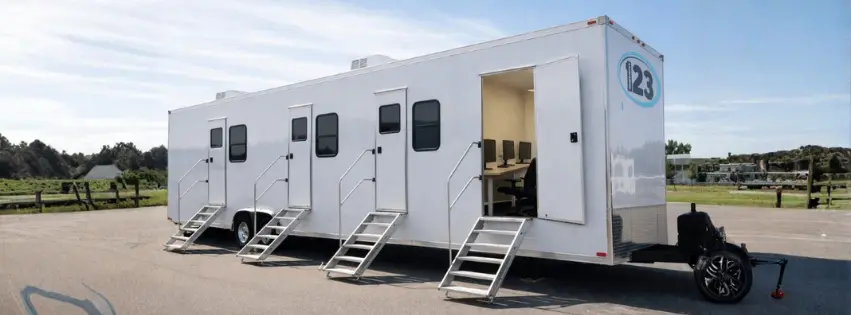
Article Plans
When universities, colleges, and K-12 school districts deploy temporary foodservice facilities during dining hall renovations, cafeteria expansions, emergency kitchen outages, or campus construction projects, meal production is only part of the operational challenge. Moving food, supplies, cookware, and service equipment efficiently throughout the facility is equally important.
Many educational institutions rely heavily on rolling racks, speed racks, tray carts, sheet pan racks, hot holding carts, insulated transport cabinets, and mobile storage systems to support high-volume meal service. As a result, institutions are increasingly sourcing mobile kitchens equipped with extra-wide entry ramps specifically designed to accommodate bulk rolling rack traffic safely and efficiently.
For University Dining Directors, K-12 Food Service Managers, School District Superintendents, and Campus Facilities Engineers, ramp width can significantly impact labor productivity, employee safety, food transport efficiency, and overall kitchen workflow.
Website: https://icefoxequipment.com/
Phone: +1-888-385-6469
Why Are Extra-Wide Entry Ramps Important for Educational Mobile Kitchens?
Extra-wide entry ramps allow foodservice staff to safely transport rolling racks, ingredient carts, meal delivery carts, and equipment between the kitchen and surrounding campus facilities. Educational institutions serving hundreds or thousands of meals daily often depend on wheeled transport systems that require more clearance than standard personnel ramps.
Without adequate ramp width, operations may experience:
- Traffic congestion
- Equipment damage
- Employee injuries
- Slower meal distribution
- Delivery delays
- Increased labor requirements
Wider ramps improve efficiency by allowing larger equipment to move safely in and out of the facility.
What Types of Rolling Equipment Are Commonly Used in Campus Foodservice Operations?
Modern educational foodservice programs utilize a variety of wheeled equipment to support production and distribution.
Common examples include:
Sheet Pan Racks
Used for baking, cooling, and food preparation.
Speed Racks
Support bulk meal production and ingredient staging.
Tray Delivery Carts
Transport student meals and service items.
Hot Holding Cabinets
Maintain food temperatures during service.
Insulated Meal Transport Carts
Used for satellite dining locations and catered events.
Ingredient Transport Racks
Move bulk food products throughout the facility.
Many of these systems are significantly wider and heavier than standard hand carts, making ramp design an important consideration.
How Do Extra-Wide Ramps Improve Employee Safety?
Workplace safety remains a major priority for educational institutions.
Narrow ramps can create hazards such as:
- Equipment collisions
- Wheel drop-offs
- Cart instability
- Employee strain injuries
- Congested traffic patterns
Extra-wide ramps help reduce these risks by providing:
- Better maneuverability
- Increased turning clearance
- Improved visibility
- Safer two-way traffic
- More stable equipment movement
For facilities employing student workers and temporary staff, safer transportation routes can significantly reduce accident potential.
Why Are Bulk Rolling Racks So Important During Campus Renovations?
Temporary kitchens frequently serve multiple locations across campus.
Examples include:
- Dining halls
- Cafeterias
- Student unions
- Residence halls
- Athletic facilities
- Event venues
Rolling racks allow staff to transport:
- Prepared meals
- Ingredients
- Serving equipment
- Disposable supplies
- Catering products
Efficient movement becomes especially important when permanent kitchens are unavailable and temporary facilities must support larger service areas.
How Do Extra-Wide Ramps Improve Operational Efficiency?
The primary factor determining food transport efficiency is the ability to move equipment quickly and safely.
Benefits of wider ramps include:
Faster Deliveries
Staff spend less time maneuvering carts through narrow openings.
Reduced Labor Costs
Fewer employees may be needed to transport equipment.
Improved Workflow
Production areas remain connected to service locations.
Better Equipment Protection
Reduced collision risks help protect racks and carts.
Increased Throughput
More materials can move simultaneously.
These efficiencies become increasingly valuable in high-volume educational foodservice environments.
What Ramp Widths Are Commonly Requested by Universities?
Educational institutions often request wider-than-standard ramp configurations to accommodate bulk foodservice equipment.
| Ramp Type | Typical Application |
|---|---|
| Standard Access Ramp | Personnel access |
| Commercial Service Ramp | General foodservice carts |
| Extra-Wide Equipment Ramp | Bulk rolling rack transport |
| Heavy-Duty Multi-Cart Ramp | High-volume production facilities |
| ADA-Compliant Access Ramp | Accessibility support |
The primary factor determining ramp selection is the size and quantity of wheeled equipment used during daily operations.
What Mobile Kitchen Configurations Benefit Most from Extra-Wide Ramps?
Larger kitchen deployments often generate higher transportation demands.
| Mobile Kitchen Type | Daily Meal Capacity |
| 24 ft Mobile Kitchen | 50–200 Meals |
| 28 ft Mobile Kitchen | 300–500 Meals |
| 40 ft Standard Kitchen | 400–700 Meals |
| 40 ft Combo Kitchen | 500–700 Meals |
| 40 ft Bulk Production Kitchen | 1,500–3,000 Meals |
As meal volume increases, so does the need for efficient rack and cart movement throughout the facility.
Universities operating large residential dining programs often prioritize transportation efficiency when evaluating temporary kitchen layouts.
What Should Campus Facilities Engineers Evaluate Before Installation?
Before deploying a mobile kitchen with extra-wide ramp access, facilities teams should review site conditions carefully.
| Evaluation Area | Why It Matters |
| Ramp Width | Equipment compatibility |
| Ground Conditions | Safe operation |
| Slope Requirements | Cart maneuverability |
| ADA Accessibility | Regulatory compliance |
| Traffic Flow | Operational efficiency |
| Delivery Access | Supply logistics |
Proper planning helps ensure smooth installation and long-term operational success.
How Do Extra-Wide Ramps Support Catering and Event Operations?
Many educational institutions operate extensive catering programs.
Common events include:
- Graduation ceremonies
- Alumni functions
- Athletic events
- Conferences
- Orientation programs
- Fundraising events
These activities often require transporting large quantities of food and equipment quickly.
Extra-wide ramps make it easier to move:
- Banquet equipment
- Catering carts
- Beverage stations
- Service supplies
- Prepared meals
For institutions supporting frequent events, transportation efficiency can have a direct impact on service quality.
How Much Does a Mobile Kitchen with Extra-Wide Ramp Access Cost?
Rental pricing depends on kitchen size, equipment package, deployment duration, transportation requirements, and site conditions.
| Equipment Package | Estimated Monthly Rental |
| 24 ft Mobile Kitchen | $4,995 – $7,995 |
| 28 ft Mobile Kitchen | $5,995 – $8,995 |
| 40 ft Standard Kitchen | $8,995 – $12,995 |
| 40 ft Combo Kitchen | $9,495 – $13,495 |
| 40 ft Bulk Production Kitchen | $9,995 – $14,995 |
| Extra-Wide Ramp Package | Project Specific |
Additional costs may include:
- Delivery and setup
- Utility hookups
- Refrigeration support
- Dishwashing facilities
- Temporary dining facilities
- Site preparation
- Permit assistance
Ice Fox Equipment provides customized project assessments for educational institutions nationwide.
Why Are Educational Institutions Paying More Attention to Kitchen Access Design?
Historically, temporary kitchen planning focused heavily on cooking equipment and meal production capacity.
Today, institutions recognize that operational efficiency also depends on:
- Equipment mobility
- Employee safety
- Transportation logistics
- Food distribution workflows
- Accessibility requirements
Extra-wide ramps help address these challenges while improving the overall functionality of temporary foodservice facilities.
As renovation projects become larger and more complex, transportation infrastructure is becoming an increasingly important part of temporary kitchen design.
Why Choose Ice Fox Equipment for Educational Mobile Kitchen Rentals?
Ice Fox Equipment specializes in temporary foodservice infrastructure for universities, colleges, and K-12 school districts throughout the United States.
Benefits include:
- Nationwide deployment
- Educational foodservice expertise
- Custom ramp configurations
- Utility planning support
- Renovation project assistance
- Emergency response services
- Long-term rental programs
Website: https://icefoxequipment.com/
Phone: +1-888-385-6469
Request a Quote
For nationwide temporary dishroom rentals, extended roller table systems, and emergency warewashing support, contact Ice Fox Equipment today.

Frequently Asked Questions
Extra-wide ramps improve the movement of rolling racks, hot holding cabinets, tray carts, and food transport equipment. Ice Fox Equipment helps institutions select ramp configurations that match operational requirements and meal volumes. Contact +1-888-385-6469 for a site assessment.
Yes. Many ramp systems are designed specifically for commercial foodservice carts, bulk ingredient racks, and meal transport equipment. Ground conditions and equipment weights should be reviewed during project planning. Visit https://icefoxequipment.com/ to discuss available options.
Absolutely. School districts frequently use tray carts, insulated food carriers, and mobile storage racks that benefit from wider access points. Ice Fox Equipment can help determine the appropriate ramp design for your operation.