
How K-12 School Districts Maintain Student Meal Programs During Long-Term Bond Construction Projects with Temporary Kitchen Rentals
Article Plans
School districts across the United States are investing billions of dollars in voter-approved bond programs to modernize aging facilities, expand campuses, replace outdated cafeterias, upgrade central kitchens, and improve educational infrastructure. While these projects often deliver long-term benefits for students and communities, they can create significant challenges for school nutrition departments tasked with serving meals throughout construction.
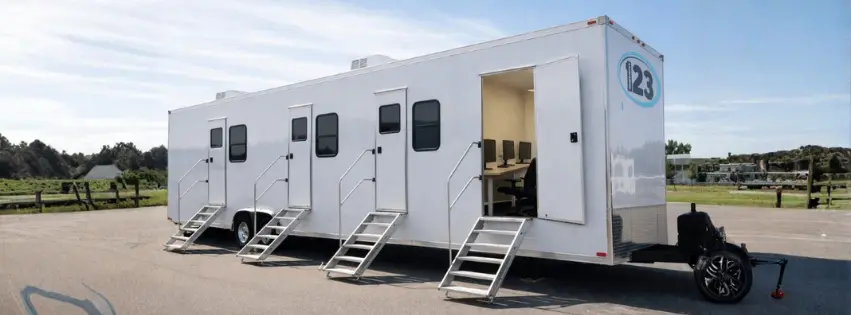
When kitchen renovations extend for months or even multiple academic years, many districts turn to temporary kitchen rentals to maintain uninterrupted meal service. These facilities allow schools to continue preparing and serving breakfasts, lunches, after-school meals, summer feeding programs, and special event meals while permanent foodservice facilities undergo construction.
For K-12 Food Service Managers, School District Superintendents, Campus Facilities Engineers, and School Construction Program Administrators, temporary kitchens have become an essential component of successful long-term bond project planning.
Website: https://icefoxequipment.com/
Phone: +1-888-385-6469
Why Are Long-Term Bond Projects Increasing Demand for Temporary School Kitchens?
School bond programs frequently involve large-scale renovations that affect cafeteria operations, kitchen infrastructure, utility systems, and foodservice workflows. Rather than shutting down meal programs, districts use temporary kitchens to maintain continuity throughout the construction process.
Common bond-funded projects include:
- Cafeteria expansions
- Kitchen modernization projects
- Campus additions
- New school construction
- HVAC upgrades
- Utility infrastructure replacements
- Dining commons renovations
- Central production kitchen improvements
Many of these projects last six months to three years, making temporary kitchen solutions critical for maintaining student nutrition services.
What Is a Temporary Kitchen for a K-12 Bond Construction Project?
A temporary kitchen is a fully operational commercial foodservice facility designed to replace or supplement existing school kitchens during construction, renovation, or emergency situations.
These facilities can include:
| Kitchen Component | Function |
|---|---|
| Commercial Ovens | Meal production |
| Ranges and Griddles | Hot food preparation |
| Refrigeration Systems | Cold storage |
| Freezer Storage | Frozen inventory |
| Food Preparation Areas | Ingredient processing |
| Handwashing Stations | Employee hygiene |
| Warewashing Equipment | Dish sanitation |
| Dry Storage Areas | Inventory management |
The primary factor determining kitchen size is the district’s daily meal volume and menu requirements.
Why Should Temporary Kitchens Be Included in Bond Project Planning Early?
Many school districts focus heavily on construction schedules, contractor coordination, and facility design but delay foodservice planning until construction is already underway.
Early temporary kitchen planning helps districts:
- Maintain meal service continuity
- Avoid emergency foodservice solutions
- Reduce project delays
- Improve budgeting accuracy
- Coordinate utility infrastructure
- Simplify permit approvals
- Protect student meal participation
The most successful bond projects often begin foodservice continuity planning six to twelve months before construction starts.
How Many Meals Can a Temporary School Kitchen Produce?
Modern temporary kitchens can support a wide range of production capacities depending on district requirements.
| Temporary Kitchen Configuration | Estimated Daily Meal Capacity |
| 24 ft Mobile Kitchen | 50–200 Meals |
| 28 ft Mobile Kitchen | 300–500 Meals |
| 40 ft Standard Kitchen | 400–700 Meals |
| 40 ft Combination Kitchen | 500–700 Meals |
| 40 ft Bulk Production Kitchen | 1,500–3,000 Meals |
| Modular School Kitchen Complex | 3,000+ Meals |
Large school districts often deploy multiple units to support multiple campuses or centralized production programs.
What Features Are Most Important for School Nutrition Programs During Construction?
Temporary kitchens must support the same operational goals as permanent facilities.
Many districts prioritize:
High-Volume Meal Production
Supporting breakfast and lunch service for hundreds or thousands of students.
Refrigerated Storage
Maintaining safe temperatures for milk, produce, dairy products, and prepared foods.
Flexible Menu Production
Accommodating changing student preferences and nutrition requirements.
Food Safety Infrastructure
Supporting sanitation procedures and employee hygiene.
Efficient Workflow
Allowing staff to maintain productivity during construction.
Long-Term Reliability
Supporting projects that may last multiple school years.
How Do Temporary Kitchens Help Districts Continue Federal Meal Programs?
Many districts participate in federally supported nutrition programs that require ongoing meal service.
Temporary kitchens can support:
- National School Lunch Program (NSLP)
- School Breakfast Program (SBP)
- After-School Meal Programs
- Summer Feeding Programs
- Special Nutrition Initiatives
Maintaining meal service during construction helps districts continue serving students while supporting reimbursement eligibility and program participation goals.
What Site Considerations Should Facilities Engineers Evaluate?
Selecting the proper installation location is one of the most important planning decisions.
Common installation sites include:
- School parking lots
- Service yards
- Bus staging areas
- Athletic complexes
- Adjacent construction zones
- Temporary campus support areas
Facilities teams should evaluate:
| Site Consideration | Importance |
| Utility Availability | Critical |
| Water Access | Required |
| Wastewater Disposal | Required |
| Delivery Access | Important |
| Student Safety | Essential |
| ADA Accessibility | Important |
| Construction Separation | Critical |
Proper site planning helps ensure efficient operations throughout the project.
What Utilities Are Required for Temporary School Kitchens?
Utility planning should begin well before installation.
| Utility Requirement | Typical Requirement |
| Electrical Service | 100–400 Amps Depending on Configuration |
| Potable Water | Required |
| Wastewater Disposal | Required |
| Natural Gas or Propane | Depending on Equipment |
| Internet Connectivity | Optional |
| Generator Backup | Recommended |
Large projects may require additional infrastructure depending on meal volume and kitchen complexity.
How Much Does a Temporary Kitchen Cost During a Bond Construction Project?
Rental pricing varies based on project duration, kitchen size, equipment package, and site requirements.
| Kitchen Configuration | Estimated Monthly Rental |
| 24 ft Mobile Kitchen | $4,995–$7,995 |
| 28 ft Mobile Kitchen | $5,995–$8,995 |
| 40 ft Standard Kitchen | $8,995–$12,995 |
| 40 ft Combination Kitchen | $9,495–$13,495 |
| 40 ft Bulk Production Kitchen | $9,995–$14,995 |
| Modular Kitchen Complex | Custom Quote |
Additional project expenses may include:
- Delivery and setup
- Utility connections
- Refrigeration trailers
- Temporary dishwashing facilities
- Generator systems
- Water and wastewater management
- Permit coordination
Ice Fox Equipment provides customized project estimates based on district requirements and construction schedules.
Why Are More School Districts Using Temporary Kitchens Instead of Outsourcing Meals?
While some districts consider off-site meal production during renovations, many prefer maintaining direct control over foodservice operations.
Benefits include:
- Consistent food quality
- Existing staff utilization
- Menu flexibility
- Better food safety oversight
- Reduced transportation challenges
- Improved student satisfaction
Temporary kitchens allow nutrition departments to continue operating under established district standards.
How Can Temporary Kitchens Support Multi-Year Bond Programs?
Some bond projects involve phased construction across multiple campuses.
Temporary kitchens can be:
- Relocated between schools
- Expanded with additional units
- Integrated into phased construction schedules
- Customized for changing operational needs
This flexibility helps districts maximize the value of temporary foodservice infrastructure throughout long-term capital improvement programs.
Why Choose Ice Fox Equipment for School District Temporary Kitchen Rentals?
Ice Fox Equipment specializes in temporary foodservice infrastructure for educational institutions nationwide.
Benefits include:
- Nationwide deployment
- K-12 foodservice expertise
- Bond project support
- Customized kitchen configurations
- Utility planning assistance
- Emergency deployment services
- Multi-year rental programs
Website: https://icefoxequipment.com/
Phone: +1-888-385-6469
Request a Quote
For nationwide temporary dishroom rentals, extended roller table systems, and emergency warewashing support, contact Ice Fox Equipment today.

Frequently Asked Questions
Most districts should begin planning at least six to twelve months before construction starts. Early planning allows time for utility coordination, site preparation, permitting, and equipment selection. Contact Ice Fox Equipment at +1-888-385-6469 to begin evaluating options.
Yes. Temporary kitchens can be configured to support full meal production for elementary schools, middle schools, high schools, or district-wide operations depending on capacity requirements. Visit https://icefoxequipment.com/ to discuss your projected meal counts and construction schedule.
Absolutely. Many configurations are designed to handle multiple meal periods and nutrition programs simultaneously. Ice Fox Equipment can recommend equipment packages based on participation rates and menu requirements.