
Can COOLBOX Pods Connect to Existing Buildings? IcefoxEquipment
Article Plans
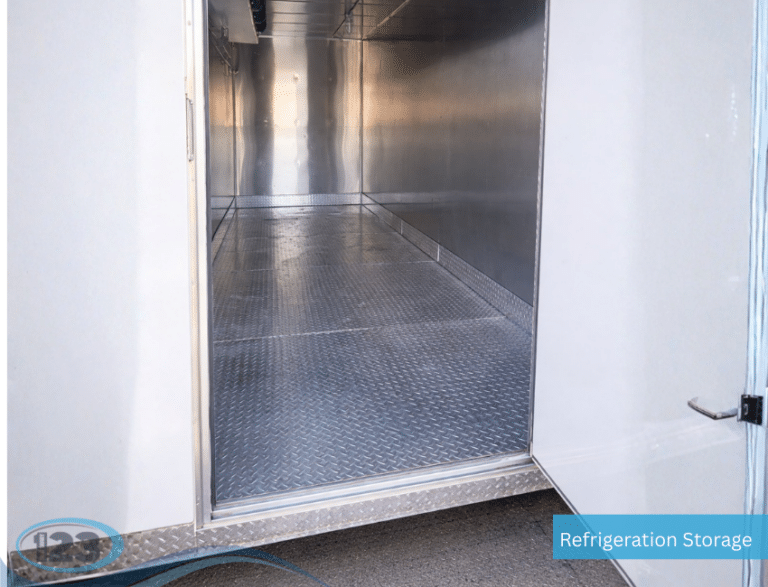
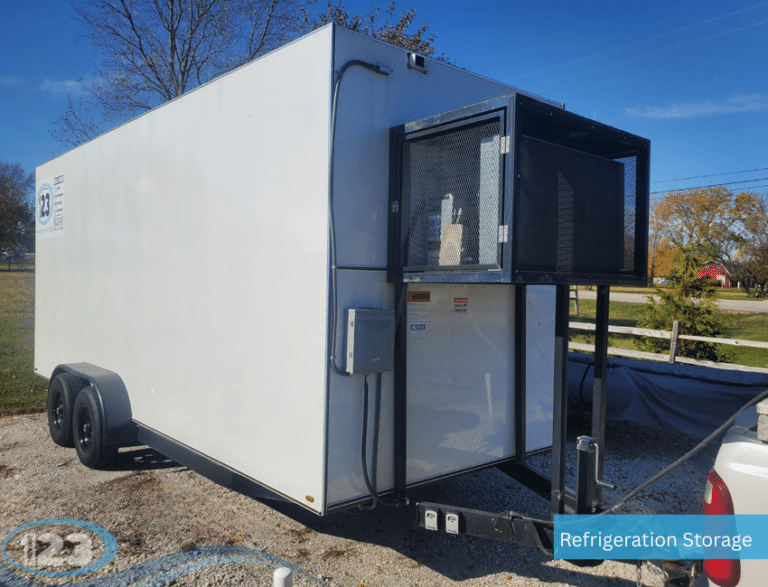
COOLBOX Pods can be positioned beside an existing building and connected to available site utilities when the selected configuration and local installation allow it. For IcefoxEquipment, that can mean planning temporary cold storage around existing electrical service, access routes, refrigeration requirements, and other facility infrastructure rather than operating the unit as an isolated box.
The important distinction is between a utility-connected temporary pod and a permanently attached building addition. A COOLBOX refrigeration setup may use 220V single-phase, 40–60-amp power on a documented 20-ft configuration, but structural attachment, enclosed corridors, penetrations through an existing wall, or permanent foundations require project-specific design and approval. Visit IcefoxEquipment or call 800-245-5216 to discuss the site.
Quick Answer
COOLBOX Pods can be located next to an existing facility and connected to suitable utilities, but “connected” does not automatically mean structurally attached. A common 20-ft refrigeration configuration uses 220V single-phase power at 40–60 amps, while modular-facility sources also document direct water and sewer connections where site conditions allow.
What Are the Quick Facts?
- A common 20-ft refrigeration unit requires approximately 220V single phase at 40–60 amps.
- Smaller 12-ft refrigeration units are documented at approximately 30–40 amps.
- Reefer containers may require 220V–480V, 3-phase, 30-amp service.
- Modular facilities can connect to an existing ¾-inch potable-water hose bib when that connection is appropriate.
- Wastewater systems may connect to an existing sewer cleanout using an RV-style waste connection.
- IcefoxEquipment-related operating material describes assistance available 24 hours a day, 7 days a week.
What Are the Key Takeaways?
- A COOLBOX Pod can function as an adjacent building-support unit using 1 or more existing utilities without necessarily becoming part of the building structure.
- Electrical planning should start with the actual pod because requirements can vary from 30–40 amps on smaller refrigeration units to 40–60 amps on common 20-ft systems.
- If the pod requires food-service plumbing, temporary modular sources support connections to ¾-inch potable-water supply and nearby sewer infrastructure.
- Refrigerated operations should maintain approximately 41°F or below, while frozen applications should generally remain at 0°F or below.
- Direct wall attachment, enclosed hallways, door penetrations, or permanent structural integration should be treated as a separate construction question rather than assumed from a 20-ft refrigeration rental specification.
What Does “Connect to an Existing Building” Actually Mean?
For most temporary installations, connecting a COOLBOX Pod means placing the unit close enough to the building to use existing utilities and support the facility’s workflow. A 20-ft refrigeration unit, for example, may use a commercial building’s 220V, 40–60-amp supply while remaining physically separate from the exterior wall.
That arrangement can be practical during renovations, equipment replacement, seasonal demand, or emergency cold-storage projects lasting 5 days or longer. Staff can move product between the permanent building and the temporary pod while the unit remains outside the active construction area.
We recommend defining “connected” before anyone draws the site plan. There is a major difference between connecting 1 electrical feeder and cutting an opening through a building wall for a protected passage.
Can a COOLBOX Pod Use Existing Building Power?
Yes, when the building has the correct electrical capacity and the connection is made for the specific unit. A documented 20-ft refrigerated or freezer trailer uses approximately 220V single-phase power at 40–60 amps, while a smaller 12-ft unit is documented at 30–40 amps.
A building that “has 220V” is not automatically ready. The electrician still needs to confirm phase, breaker capacity, conductor size, connector type, distance from the electrical panel, and the actual unit nameplate before energizing the pod.
For a short temporary-power run, the source identifies 6 AWG copper up to 50 ft. Runs of 50–100 ft move to 4 AWG guidance, while 100–200 ft uses 2 AWG under the supplied planning material.
Our preference is to place the COOLBOX close to approved power when the site allows it. Running 200 ft of heavier temporary cable is usually less attractive than selecting a safe location closer to the building’s electrical source.
Can the Pod Connect to Building Plumbing?
Temporary modular facilities can connect directly to existing building water and sewer infrastructure when the configuration needs plumbing and the site permits it. The uploaded modular-facility source specifically describes a ¾-inch water hose bib using a white food-grade potable-water hose.
Where permanent plumbing is available, the same source says modular facilities can also be connected to hard-plumbed water supply lines. That gives facility planners at least 2 water-supply approaches depending on the installation.
For drainage, temporary modular kitchens and warewashing equipment are described with RV-style waste fittings that can discharge into approved sanitary sewer systems. In renovation projects, the source specifically notes connection to an existing sewer cleanout or drainage point near the building.
A refrigeration-only COOLBOX may not need the same water and sewer package as a temporary kitchen or warewashing unit. The point is that IcefoxEquipment-style modular deployments can be planned around 1 shared utility strategy rather than assuming every temporary unit must operate independently.
Can COOLBOX Pods Be Structurally Attached to the Building?
The supplied sources do not establish a universal structural-attachment system for every COOLBOX Pod. That means you should not assume a 20-ft or 40-ft cold-storage unit can simply be bolted to the building, framed into an existing doorway, or treated as permanent square footage.
Structural integration introduces different issues from connecting 40–60 amps of electrical service. Wall penetrations, weather protection, fire separation, egress, accessibility, foundations, drainage, and local permitting may all need review before a temporary pod is physically joined to an existing structure.
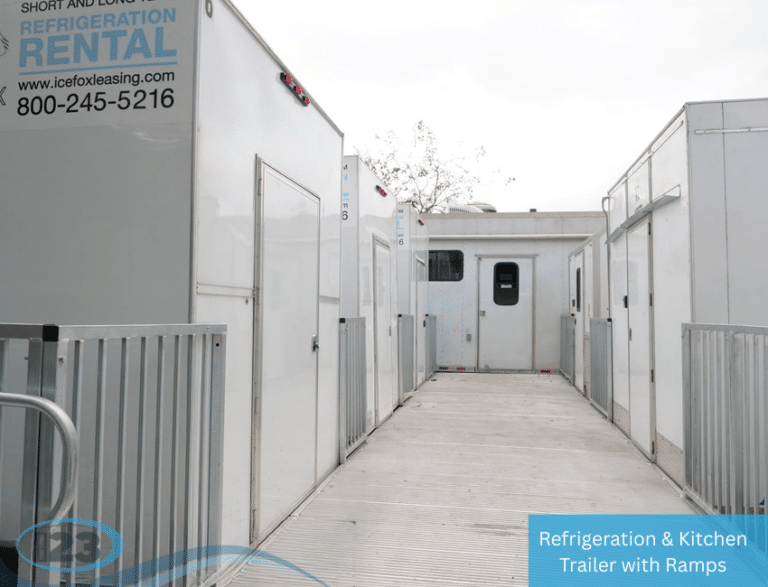
For many projects, the cleaner approach is to keep the pod structurally independent and create a short operating route between the building and the temporary refrigeration unit. That preserves the temporary nature of the 1 rental unit while still giving staff convenient access.
How Should the COOLBOX Be Positioned Beside a Building?
Place the unit where it can reach approved utilities without interfering with deliveries, fire access, waste service, construction traffic, or normal building operations. Electrical cable lengths of 50 ft, 100 ft, and 200 ft are important because longer runs require progressively heavier conductor guidance.
A refrigeration pod should also have adequate condenser and service access. Packing a 20-ft box tightly between a wall and another structure can make maintenance harder and can interfere with airflow depending on the equipment configuration.
From an operations standpoint, we would rather accept a slightly longer 50-ft staff route than place a refrigeration unit where technicians cannot reach the refrigeration equipment. Temporary cold storage needs to remain serviceable throughout the rental.
What Refrigeration Temperatures Can the Connected Pod Support?
Temporary refrigerated storage should generally maintain food at 41°F or below, while frozen inventory should generally remain at 0°F or below. These temperature targets remain the same whether the COOLBOX is 10 ft from the building or positioned farther across the service yard.
The power connection matters because temperature control depends on stable electricity. A 40–60-amp unit that repeatedly trips its breaker can lose the operating stability needed to maintain refrigerated inventory.
If the building cannot provide adequate power, generator support may be required. The uploaded power guidance lists approximately 25–30 kW for a 20-ft refrigerated or freezer trailer, subject to the actual equipment configuration.
What Does a COOLBOX-Type Refrigeration Setup Cost?
IcefoxEquipment’s uploaded pricing material provides several planning-level refrigeration ranges, beginning at $1,295–$2,195 for a 12-ft refrigerated trailer and extending to $2,995–$3,995 for a 40-ft refrigerated container.
| Temporary refrigeration option | Planning range |
|---|---|
| 12-ft refrigerated trailer | $1,295–$2,195 |
| 20-ft refrigerated trailer | $1,495–$2,395 |
| 20-ft freezer trailer | $1,495–$2,395 |
| 20-ft refrigerated container | $2,495–$2,995 |
| 40-ft refrigerated container | $2,995–$3,995 |
Those 5 price ranges should be treated as equipment planning figures rather than a complete installed-building connection price. Freight, temporary electrical work, generator service, utility modifications, site work, and other project-specific items can sit outside the equipment rental.
By the Numbers
| Connection planning item | Source-supported figure |
| Small refrigeration electrical load | 30–40 amps |
| Common 20-ft electrical load | 40–60 amps |
| Trailer voltage | 220V single phase |
| Reefer-container service | 220V–480V, 3 phase, 30 amps |
| Short cable run | Up to 50 ft, 6 AWG |
| Medium cable run | 50–100 ft, 4 AWG |
| Longer cable run | 100–200 ft, 2 AWG |
| Potable-water connection example | ¾-inch |
| Refrigerated holding target | 41°F or below |
| Support availability | 24/7 |
These 10 figures show why the building connection should be designed before delivery. A COOLBOX Pod is not simply parked beside the building and switched on; electrical distance, utility capacity, temperature requirements, and the exact unit all affect the installation.
How Do You Connect a COOLBOX Pod to an Existing Facility?
Use this 7-step process for a source-safe building integration.
- Select the exact pod. Confirm whether the project uses a 12-ft, 20-ft, 40-ft, or other configuration.
- Choose the placement area. Keep the pod close enough to approved building utilities to avoid unnecessary 100–200-ft temporary-power runs.
- Verify electrical service. Confirm whether the unit requires 30–40 amps, 40–60 amps, or 30-amp 3-phase service.
- Plan plumbing if required. For applicable modular configurations, confirm the available ¾-inch potable-water connection and approved sewer or waste connection.
- Keep structural questions separate. Any direct doorway, corridor, wall penetration, or permanent attachment needs its own project review rather than being assumed from a 220V utility connection.
- Test the refrigeration system. Verify the required 41°F or 0°F operating condition before regulated inventory is loaded.
- Keep project documentation onsite. Maintain power details, placement plans, operating records, and IcefoxEquipment’s 24/7 support number.
What Common Building-Connection Mistakes Should You Avoid?
Mistake 1: Treating Utility Connection as Structural Attachment
A 220V electrical connection does not mean the pod has become part of the building. Treat structural integration and temporary utility service as separate scopes.
Mistake 2: Measuring Voltage but Not Amperage
A building may have 220V and still lack the required 40–60 amps for a common 20-ft refrigeration setup. Have the electrical service reviewed before delivery.
Mistake 3: Choosing the Pod Location After Delivery
Cable guidance changes at 50 ft, 100 ft, and 200 ft. Decide where the unit will sit before the temporary-power equipment is selected.
Mistake 4: Assuming Every Pod Needs Plumbing
A refrigeration-only unit may require power but not the same ¾-inch water and sewer connection used by modular kitchens or warewashing equipment. Match utilities to the actual configuration.
Mistake 5: Cutting Into the Existing Building Too Quickly
A temporary 20-ft pod can often support the facility without permanent wall modifications. We would exhaust the simpler adjacent-placement options before creating a structural alteration for a temporary rental.
What Should Be on the COOLBOX Connection Checklist?
- ☐ Confirm whether the selected unit is 12 ft, 20 ft, 40 ft, or another configuration.
- ☐ Verify 220V or the voltage shown on the delivered nameplate.
- ☐ Confirm whether the load is 30–40 amps, 40–60 amps, or 30 amps 3-phase.
- ☐ Measure whether the electrical route is under 50 ft, 50–100 ft, or 100–200 ft.
- ☐ Verify the ¾-inch potable-water source when the selected configuration requires water.
- ☐ Identify an approved building sewer or temporary waste solution when drainage is required.
- ☐ Confirm the refrigeration target of 41°F or below or 0°F or below.
- ☐ Keep IcefoxEquipment’s 24/7 support number, 800-245-5216, with the project file.
The best installation is usually the least complicated one that still meets the building’s operating needs. If a COOLBOX can sit beside the facility, use 1 approved power connection, and maintain safe product flow, adding permanent structural work may provide little benefit for a temporary deployment.
Request a Quote
Request a quote today for industry-leading refrigeration, modular facilities, and mobile equipment solutions. Ice Fox Equipment provides rapid deployment, flexible rental and leasing options, and dependable support for construction, healthcare, food service, emergency response, and industrial operations. Contact our team now for a customized, no-obligation quote.

Frequently Asked Questions
Yes, when the building electrical system matches the specific equipment. A typical 20-ft refrigeration configuration may need 220V single-phase power at 40–60 amps. IcefoxEquipment recommends confirming voltage, phase, breaker capacity, cable distance, connector, and the delivered-unit nameplate before the pod is energized.
Applicable modular configurations can use existing utilities. Source material documents a ¾-inch potable-water hose bib and connection to approved sewer infrastructure through temporary waste fittings. An IcefoxEquipment refrigeration-only COOLBOX may require fewer utilities, so the exact connection package should match the selected pod.
The available sources do not establish a universal direct structural attachment for every IcefoxEquipment COOLBOX Pod. A 20-ft unit can be placed adjacent to a building and connected to utilities, but enclosed corridors, wall penetrations, foundations, or permanent attachments should receive separate engineering and permitting review.