
Why Ski Resorts Are Using Temporary Kitchen Facilities During Winter Expansion and Construction Seasons
Article Plans
Ski resorts across North America continue to invest heavily in lodge expansions, base village improvements, new dining venues, lift infrastructure upgrades, luxury accommodations, and guest experience enhancements. While these projects help resorts increase long-term revenue and visitor capacity, they often create major challenges for foodservice operations during peak winter seasons.
Closing restaurants, cafeterias, employee dining facilities, or hospitality kitchens during construction can negatively impact guest satisfaction, reduce food and beverage revenue, and place significant strain on resort operations. To maintain uninterrupted service, many ski resorts are turning to temporary kitchen facilities that allow foodservice operations to continue throughout expansion projects.
For Concert Promoters, Festival Logistics Directors, High-End Wedding Planners, Country Club Managers, and Film Production Unit Managers involved in seasonal hospitality operations, temporary kitchen infrastructure provides a proven solution for maintaining food production capacity in challenging winter environments.
Website: https://icefoxequipment.com/
Phone: +1-888-385-6469
Why Do Ski Resorts Need Temporary Kitchens During Expansion Projects?
Temporary kitchens allow ski resorts to continue serving guests, staff, and visitors while permanent foodservice facilities undergo renovation, expansion, or reconstruction. These mobile and modular facilities help preserve revenue streams while minimizing disruptions during construction.
Common projects include:
- Base lodge expansions
- Restaurant renovations
- New hotel construction
- Village redevelopment
- Kitchen equipment upgrades
- Cafeteria modernization
- Employee dining improvements
- Hospitality facility expansions
The primary factor determining temporary kitchen requirements is the amount of foodservice capacity displaced by construction activities.
What Is a Temporary Ski Resort Kitchen?
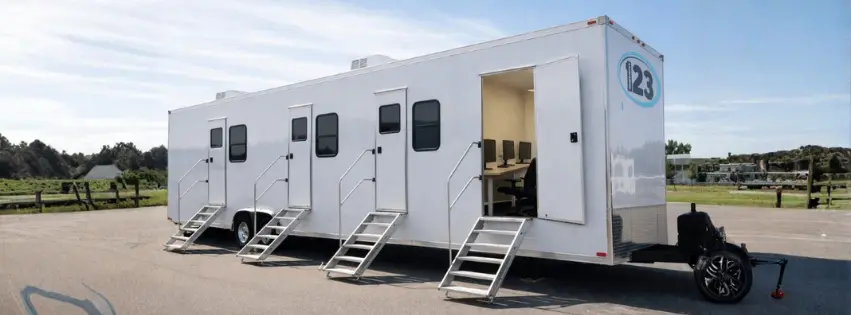
A temporary ski resort kitchen is a mobile or modular commercial foodservice facility designed to operate in cold-weather environments while supporting high-volume hospitality operations.
Typical features include:
| Kitchen Component | Function |
|---|---|
| Commercial Cooking Equipment | Meal production |
| Refrigeration Systems | Cold storage |
| Heated Interior Workspaces | Winter operations |
| Freezer Capacity | Food inventory management |
| Food Prep Stations | Ingredient processing |
| Handwashing Facilities | Food safety compliance |
| Ventilation Systems | Safe cooking operations |
| Dry Storage Areas | Inventory support |
These facilities can be deployed near lodges, hotels, restaurants, and resort service areas.
Why Is Foodservice Continuity So Important at Ski Resorts?
Food and beverage operations represent a major source of revenue for many winter destinations.
Common resort dining operations include:
Base Lodge Cafeterias
Serving skiers throughout the day.
Full-Service Restaurants
Supporting resort guests and visitors.
Après-Ski Venues
Providing food and beverage service during peak afternoon periods.
Employee Dining Facilities
Supporting resort staff during busy seasons.
Banquet and Event Operations
Hosting weddings, conferences, and corporate retreats.
Closing these services during construction can significantly affect guest satisfaction and overall resort profitability.
What Types of Ski Resort Operations Benefit Most?
Mountain Lodges
Temporary kitchens support daily skier traffic during renovations.
Luxury Resort Hotels
Maintaining guest dining services throughout construction projects.
Event Venues
Supporting weddings and corporate functions.
Employee Dining Facilities
Providing meals for seasonal workers and resort staff.
Catering Operations
Supporting conferences, retreats, and special events.
These operations often require uninterrupted foodservice regardless of ongoing construction activities.
How Many Meals Can a Temporary Ski Resort Kitchen Produce?
Modern temporary kitchens can support a wide range of hospitality demands.
| Temporary Kitchen Configuration | Estimated Daily Meal Capacity |
| 24 ft Mobile Kitchen | 50–200 Meals |
| 28 ft Mobile Kitchen | 300–500 Meals |
| 40 ft Standard Kitchen | 400–700 Meals |
| 40 ft Combination Kitchen | 500–700 Meals |
| 40 ft Bulk Production Kitchen | 1,500–3,000 Meals |
| Modular Resort Kitchen Complex | 3,000+ Meals |
Large resorts often deploy multiple units to support several foodservice locations simultaneously.
What Challenges Do Winter Conditions Create?
Mountain environments introduce unique operational requirements.
Common challenges include:
Snow Accumulation
Equipment and access routes require winter planning.
Freezing Temperatures
Utility systems must be protected from cold weather.
Limited Construction Windows
Projects often continue during active guest operations.
High Guest Volumes
Peak-season traffic places significant demands on foodservice systems.
Difficult Site Access
Mountain roads and resort logistics require careful coordination.
Temporary kitchens designed for winter environments help address these challenges.
What Features Are Important for Cold-Weather Operations?
Winter-ready temporary kitchens often include specialized features.
| Winter Feature | Benefit |
| Insulated Construction | Temperature control |
| Heated Interior Spaces | Employee comfort |
| Freeze-Protected Plumbing | Utility reliability |
| Weather-Resistant Exterior Finishes | Durability |
| Snow Load Considerations | Structural protection |
| Winterized Utility Connections | Operational continuity |
These features help ensure reliable performance throughout the ski season.
How Do Temporary Kitchens Support Resort Events?
Many ski resorts host major hospitality events during winter months.
Examples include:
- Destination weddings
- Corporate retreats
- Holiday celebrations
- Ski competitions
- Sponsor activations
- Tourism events
- Private functions
- Seasonal festivals
Temporary kitchens help maintain event schedules while permanent facilities are under construction.
What Utility Requirements Should Resort Operators Evaluate?
Before installation, facilities teams should review available infrastructure.
| Utility Requirement | Typical Need |
| Electrical Service | Required |
| Potable Water | Required |
| Wastewater Disposal | Required |
| Propane or Natural Gas | Depending on Equipment |
| Snow Removal Access | Required |
| Generator Backup | Recommended |
Winter utility planning is critical for uninterrupted operations.
How Much Does a Temporary Kitchen for a Ski Resort Cost?
Rental pricing varies depending on kitchen size, project duration, mountain access requirements, and operational complexity.
| Kitchen Configuration | Estimated Monthly Rental |
| 24 ft Mobile Kitchen | $4,995–$7,995 |
| 28 ft Mobile Kitchen | $5,995–$8,995 |
| 40 ft Standard Kitchen | $8,995–$12,995 |
| 40 ft Combination Kitchen | $9,495–$13,495 |
| 40 ft Bulk Production Kitchen | $9,995–$14,995 |
| Modular Resort Kitchen Complex | Custom Quote |
Additional costs may include:
- Mountain transportation
- Utility hookups
- Generator systems
- Refrigeration support
- Temporary dishwashing facilities
- Winterization packages
- Site preparation services
Ice Fox Equipment provides customized project assessments based on resort requirements.
Why Are More Ski Resorts Planning Temporary Kitchens Earlier?
Large resort developments often involve multiple phases of construction.
Forward-thinking operators now incorporate temporary foodservice planning into:
- Capital improvement projects
- Expansion strategies
- Revenue protection programs
- Guest experience initiatives
- Construction phasing schedules
Early planning helps reduce operational disruptions and maintain service quality throughout the project lifecycle.
Why Choose Ice Fox Equipment for Ski Resort Temporary Kitchen Rentals?
Ice Fox Equipment provides temporary foodservice infrastructure solutions for hospitality operators, resorts, event venues, and seasonal destinations throughout the United States.
Benefits include:
- Nationwide deployment
- Cold-weather operational expertise
- Resort-focused kitchen solutions
- Winterized infrastructure options
- Utility planning assistance
- Emergency deployment services
- Long-term and short-term rental programs
Website: https://icefoxequipment.com/
Phone: +1-888-385-6469
Request a Quote
For nationwide temporary dishroom rentals, extended roller table systems, and emergency warewashing support, contact Ice Fox Equipment today.
Frequently Asked Questions
Yes. Many temporary kitchens are specifically configured with insulated construction, freeze protection, and winter-ready utility systems designed for cold-weather operations. Ice Fox Equipment can recommend solutions based on local climate conditions. Contact +1-888-385-6469 for assistance.
Absolutely. Temporary kitchens can be configured to support cafeterias, full-service restaurants, catering operations, and hospitality events while permanent facilities undergo renovations. Visit https://icefoxequipment.com/ for more information.
Temporary kitchen deployments can range from several weeks to multiple years depending on construction schedules and operational needs. Ice Fox Equipment offers flexible rental programs to accommodate project timelines.