
How Educational Institutions Are Using Mobile Kitchens with Commercial Microwave Arrays to Reduce Lunch Line Wait Times During Campus Renovations
Article Plans
Universities, colleges, and K-12 school districts face a unique challenge when operating temporary foodservice facilities during dining hall renovations, cafeteria upgrades, emergency kitchen closures, and campus expansion projects. Students still expect fast service, consistent meal quality, and minimal wait times, even when permanent kitchens are unavailable.
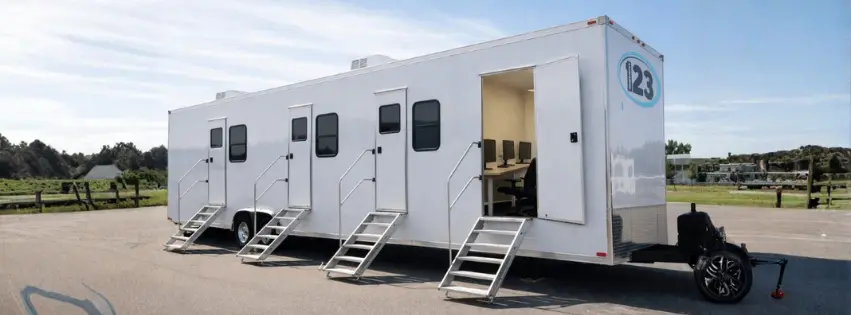
To meet these expectations, many educational institutions are sourcing mobile kitchens equipped with commercial-grade microwave arrays. Unlike standard foodservice microwaves, microwave arrays consist of multiple high-speed commercial units strategically positioned throughout production lines to accelerate meal assembly, reduce service bottlenecks, and increase throughput during peak dining periods.
For University Dining Directors, K-12 Food Service Managers, School District Superintendents, and Campus Facilities Engineers, microwave array technology has become an effective tool for maintaining dining efficiency when serving hundreds or thousands of students from temporary foodservice facilities.
Website: https://icefoxequipment.com/
Phone: +1-888-385-6469
Why Are Mobile Kitchens with Commercial Microwave Arrays Becoming Popular on School and University Campuses?
Commercial microwave arrays significantly reduce meal preparation times by allowing multiple food items to be heated simultaneously across dedicated production stations. Educational institutions use these systems to improve service speed, shorten lunch lines, and maintain meal quality during high-volume dining periods.
Unlike traditional kitchen layouts that rely heavily on ovens or holding cabinets, microwave arrays allow staff to rapidly heat:
- Prepared entrées
- Breakfast sandwiches
- Pizza slices
- Grab-and-go meals
- Side dishes
- Student meal plan items
- Athletic nutrition meals
- Catering products
This approach is particularly valuable during short meal periods when hundreds of students arrive at once.
How Do Commercial Microwave Arrays Improve Student Dining Line Speed?
One of the biggest challenges in educational foodservice is serving large populations within limited time windows.
A typical lunch period may involve:
- Elementary school lunch rotations
- High school lunch waves
- University class changeovers
- Student union rush periods
- Athletic dining schedules
Commercial microwave arrays help by creating multiple heating stations that can operate simultaneously rather than relying on a single reheating point.
Benefits include:
- Faster meal assembly
- Reduced queue times
- Improved labor efficiency
- Higher customer throughput
- Better dining satisfaction
For institutions trying to serve hundreds of students within 30 to 60 minutes, every second saved can have a measurable impact.
What Is a Commercial Microwave Array?
A commercial microwave array is a coordinated group of high-performance microwave units installed throughout a foodservice operation to support rapid meal production.
Instead of one microwave handling all reheating duties, multiple units are assigned to specific stations.
Examples include:
Entrée Station
Used for hot meal preparation.
Grab-and-Go Station
Supports packaged meal programs.
Breakfast Station
Handles breakfast sandwiches and hot breakfast items.
Catering Production Area
Supports event and conference meal preparation.
Athletic Dining Program
Provides rapid meal service for teams and training programs.
This distributed approach increases production capacity while minimizing bottlenecks.
What Types of Educational Facilities Benefit Most from Microwave Arrays?
Commercial microwave arrays are particularly valuable for facilities with high meal counts and compressed service schedules.
Universities
Residential dining halls and student unions often experience concentrated meal rushes throughout the day.
Community Colleges
Temporary dining facilities can maintain efficient service despite limited space.
K-12 School Districts
Lunch periods are often short and require rapid student throughput.
Boarding Schools
Continuous meal service benefits from flexible heating capabilities.
Conference and Event Facilities
Special events frequently require fast meal preparation and service.
What Menu Items Work Best with Microwave Array Systems?
Commercial microwave arrays support a wide variety of educational foodservice menus.
Popular applications include:
- Breakfast sandwiches
- Burritos
- Pizza
- Pasta dishes
- Rice bowls
- Hot sandwiches
- Prepared entrées
- Soups
- Side dishes
- Athletic recovery meals
Many institutions use microwave arrays as part of a broader production strategy that combines batch cooking, refrigeration, and rapid reheating.
What Mobile Kitchen Configurations Commonly Include Microwave Arrays?
Educational institutions often incorporate microwave arrays into larger temporary kitchen deployments.
| Mobile Kitchen Configuration | Daily Meal Capacity |
|---|---|
| 24 ft Mobile Kitchen | 50–200 Meals |
| 28 ft Mobile Kitchen | 300–500 Meals |
| 40 ft Standard Kitchen | 400–700 Meals |
| 40 ft Combo Kitchen | 500–700 Meals |
| 40 ft Bulk Production Kitchen | 1,500–3,000 Meals |
The primary factor determining the required microwave capacity is the number of meals served during peak service windows.
Larger universities may deploy multiple kitchen units or modular foodservice complexes when supporting several dining venues simultaneously.
How Do Microwave Arrays Support Campus Renovation Projects?
Temporary foodservice facilities often operate within limited footprints.
Microwave arrays help maximize production by:
- Reducing cooking bottlenecks
- Improving labor productivity
- Supporting multiple service stations
- Reducing equipment congestion
- Accelerating meal turnover
This makes them particularly valuable during:
- Dining hall renovations
- Cafeteria modernization projects
- Student union construction
- Kitchen replacement projects
- Emergency facility shutdowns
Institutions can continue serving students efficiently while permanent facilities undergo upgrades.
What Utility Requirements Should Facilities Engineers Evaluate?
Before deploying a microwave-equipped mobile kitchen, facilities teams should assess available utilities.
| Utility Requirement | Typical Need |
| Electrical Service | 100–200 Amps |
| Potable Water | Required |
| Wastewater Disposal | Required |
| Site Access | Delivery Vehicle Access |
| HVAC Ventilation | Recommended |
| Internet Connectivity | Optional |
Commercial microwave arrays may increase electrical demand, making utility planning an important part of project development.
How Much Does It Cost to Rent a Mobile Kitchen with Commercial Microwave Arrays?
Rental pricing varies based on equipment package, deployment duration, location, and infrastructure requirements.
| Equipment Package | Estimated Monthly Rental |
| 24 ft Mobile Kitchen | $4,995 – $7,995 |
| 28 ft Mobile Kitchen | $5,995 – $8,995 |
| 40 ft Standard Kitchen | $8,995 – $12,995 |
| 40 ft Combo Kitchen | $9,495 – $13,495 |
| 40 ft Bulk Kitchen | $9,995 – $14,995 |
| Microwave Array Upgrade Package | Project Specific |
Additional costs may include:
- Delivery
- Utility connections
- Refrigeration support
- Dishwashing facilities
- Site preparation
- Permit assistance
Ice Fox Equipment can provide customized project pricing for educational institutions nationwide.
Why Are Schools Looking for Faster Foodservice Solutions Than Ever Before?
Student expectations continue to evolve.
Modern dining programs are expected to provide:
- Short wait times
- Fresh meals
- Consistent food quality
- Flexible menu options
- Efficient service
Commercial microwave arrays help institutions achieve these goals without requiring massive increases in labor or facility size.
For temporary foodservice operations, the ability to maintain fast service often determines overall project success.
Why Choose Ice Fox Equipment for Educational Mobile Kitchen Rentals?
Ice Fox Equipment specializes in temporary foodservice infrastructure for schools, colleges, and universities throughout the United States.
Educational clients benefit from:
- Nationwide deployment
- Mobile kitchen expertise
- Renovation support planning
- Emergency response services
- Utility coordination assistance
- Long-term rental options
- Custom kitchen configurations
Website: https://icefoxequipment.com/
Phone: +1-888-385-6469
Request a Quote
For nationwide temporary dishroom rentals, extended roller table systems, and emergency warewashing support, contact Ice Fox Equipment today.

Frequently Asked Questions
The number depends on meal volume, service speed goals, and menu complexity. Ice Fox Equipment evaluates student counts, peak service periods, and operational workflows before recommending a configuration. Contact +1-888-385-6469 for a customized assessment.
Microwave arrays are designed to complement, not replace, core cooking equipment such as ovens, griddles, and ranges. Most educational facilities use them to improve throughput and reduce wait times. Visit https://icefoxequipment.com/ to discuss your kitchen requirements.
Electrical requirements vary based on the number and type of microwave units installed. Facilities engineers should review available power capacity before deployment. Ice Fox Equipment can assist with utility planning and site evaluations.