
How to Set Up a Clean, High-Speed Plate-Up Line Inside a Mobile Event Kitchen
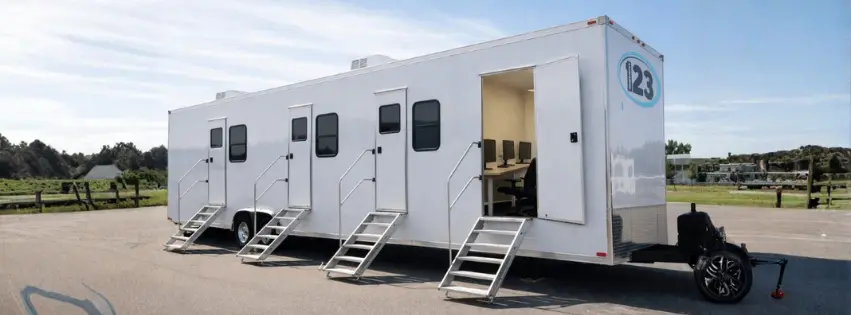
Article Plans
Large festivals, luxury weddings, VIP hospitality events, film productions, corporate galas, sporting events, and concert catering operations often require hundreds or even thousands of meals to be plated and served within extremely tight service windows. In many cases, the success of an event depends less on cooking capacity and more on how efficiently meals move through the final plate-up process.
A well-designed plate-up line inside a mobile event kitchen can dramatically improve service speed, food quality, labor efficiency, and guest satisfaction. Conversely, a poorly organized plating operation can create bottlenecks, temperature loss, labor congestion, and delayed service.
For Concert Promoters, Festival Logistics Directors, High-End Wedding Planners, Country Club Managers, and Film Production Unit Managers, understanding how to build an efficient plate-up workflow is one of the most important factors in successful large-scale catering operations.
Website: https://icefoxequipment.com/
Phone: +1-888-385-6469
Why Is the Plate-Up Line the Most Critical Part of Event Foodservice?
The plate-up line is where all food production activities converge before meals reach guests. Even if cooking operations run smoothly, an inefficient plating system can slow service, reduce food quality, and create unnecessary labor challenges.
A properly designed plate-up line helps:
- Maintain food temperatures
- Increase meal output
- Reduce labor congestion
- Improve presentation consistency
- Accelerate service times
- Minimize food waste
- Improve guest experiences
The primary factor determining service success is often how efficiently food moves from production equipment to the final service point.
What Is a Mobile Event Kitchen Plate-Up Line?
A plate-up line is a dedicated assembly area where prepared food components are portioned, plated, garnished, inspected, and staged for service.
A typical workflow includes:
| Station | Function |
|---|---|
| Hot Food Holding | Maintains serving temperatures |
| Plate Staging Area | Organizes service ware |
| Protein Station | Portions main entrée |
| Starch Station | Adds side dishes |
| Vegetable Station | Final hot accompaniments |
| Garnish Station | Finishing touches |
| Quality Control | Presentation verification |
| Service Dispatch | Delivery to guests |
This assembly-line approach allows large numbers of meals to be produced quickly and consistently.
Why Does Workflow Design Matter More Than Kitchen Size?
Many event operators assume larger kitchens automatically produce faster service.
In reality, poor workflow can slow even the most advanced kitchen.
Common problems include:
- Staff crossing paths
- Long walking distances
- Congested workstations
- Poor equipment placement
- Inadequate staging space
- Unorganized food flow
An efficient layout minimizes unnecessary movement and keeps production flowing in one direction.
How Should Food Flow Through a Plate-Up Line?
The most effective plate-up systems use a linear workflow.
Typical sequence:
Step 1: Plate Staging
Empty plates are organized and positioned.
Step 2: Protein Placement
Entrées are portioned first.
Step 3: Starch Addition
Rice, potatoes, pasta, or grains are added.
Step 4: Vegetable Service
Side vegetables complete the meal.
Step 5: Sauce Application
Sauces are added last when appropriate.
Step 6: Garnishing
Final presentation elements are applied.
Step 7: Quality Inspection
Plates are reviewed before leaving the kitchen.
This progression reduces confusion and maintains consistency.
How Many Plates Can a Mobile Kitchen Plate Per Hour?
Production capacity varies based on menu complexity, staffing levels, and kitchen configuration.
| Event Type | Typical Plate-Up Capacity |
| Small Wedding | 100–200 Plates Per Hour |
| Corporate Event | 200–500 Plates Per Hour |
| Large Wedding Reception | 300–700 Plates Per Hour |
| Festival VIP Hospitality | 500–1,000 Plates Per Hour |
| Stadium Hospitality Operations | 1,000+ Plates Per Hour |
Proper line design significantly influences actual production rates.
What Equipment Improves Plate-Up Efficiency?
Several equipment types can dramatically improve service speed.
| Equipment | Benefit |
| Heated Holding Cabinets | Temperature maintenance |
| Mobile Hot Boxes | Food staging |
| Stainless Work Tables | Organized plating |
| Plate Dispensers | Fast access |
| Heat Lamps | Holding finished plates |
| Mobile Racks | Transport efficiency |
| Refrigerated Prep Stations | Cold food access |
Many successful operations combine multiple pieces of equipment to create a streamlined workflow.
How Can Event Caterers Prevent Bottlenecks?
Plate-up bottlenecks usually occur when one station falls behind.
Common causes include:
Uneven Portioning Speeds
One station cannot keep up with the others.
Poor Communication
Staff become uncertain about production priorities.
Insufficient Holding Capacity
Food arrives faster than it can be plated.
Inadequate Staffing
Critical stations become overwhelmed.
Excessive Menu Complexity
Too many components slow production.
Careful planning helps minimize these challenges.
What Staffing Structure Works Best?
Many high-volume event kitchens assign staff to specific stations.
Typical structure:
| Position | Responsibility |
| Expediter | Oversees production |
| Protein Server | Portions entrées |
| Starch Server | Adds side items |
| Vegetable Server | Completes hot sides |
| Garnish Specialist | Final presentation |
| Quality Control Lead | Inspects finished plates |
| Runner Team | Delivers meals |
This specialization improves speed and consistency.
How Do Mobile Kitchens Maintain Food Temperatures During Plate-Up?
Temperature control is one of the biggest challenges in large-scale catering.
Best practices include:
- Using heated holding cabinets
- Maintaining hot boxes near plating stations
- Limiting batch sizes
- Coordinating production timing
- Using insulated transport equipment
- Monitoring food temperatures continuously
Maintaining proper temperatures helps preserve food quality and support food safety objectives.
What Layout Works Best Inside a Mobile Event Kitchen?
The most efficient layouts typically follow a straight-line or U-shaped configuration.
Key principles include:
- One-direction food movement
- Minimal cross traffic
- Dedicated staging areas
- Clear staff pathways
- Accessible equipment placement
- Separate hot and cold zones
The goal is to reduce unnecessary movement while maximizing productivity.
How Much Mobile Kitchen Capacity Is Needed for Large Plate-Up Operations?
Mobile kitchens can be configured for various production requirements.
| Mobile Kitchen Configuration | Estimated Daily Meal Capacity |
| 24 ft Mobile Kitchen | 50–200 Meals |
| 28 ft Mobile Kitchen | 300–500 Meals |
| 40 ft Standard Kitchen | 400–700 Meals |
| 40 ft Combination Kitchen | 500–700 Meals |
| 40 ft Bulk Production Kitchen | 1,500–3,000 Meals |
| Modular Event Kitchen Complex | 3,000+ Meals |
The ideal configuration depends on guest count, menu design, and service style.
What Utility Requirements Should Event Planners Consider?
Efficient plate-up operations depend on reliable infrastructure.
| Utility Requirement | Typical Need |
| Electrical Service | Required |
| Potable Water | Required |
| Wastewater Disposal | Required |
| Refrigeration Support | Required |
| Ventilation Systems | Required |
| Generator Backup | Recommended |
Early planning helps prevent service interruptions.
Why Are More Event Operators Investing in Professional Plate-Up Design?
Today’s hospitality guests expect:
- Faster service
- Better presentation
- Consistent quality
- Premium dining experiences
At the same time, operators face:
- Labor shortages
- Tight service windows
- Rising costs
- Higher expectations
A properly designed plate-up system helps address these challenges while improving overall event performance.
Why Choose Ice Fox Equipment for Mobile Event Kitchen Rentals?
Ice Fox Equipment provides temporary foodservice infrastructure solutions for festivals, weddings, stadium events, corporate functions, film productions, and hospitality venues throughout the United States.
Benefits include:
- Nationwide deployment
- Event kitchen expertise
- High-volume production solutions
- Utility planning assistance
- Hospitality-focused layouts
- Emergency deployment services
- Long-term and short-term rental programs
Website: https://icefoxequipment.com/
Phone: +1-888-385-6469
Request a Quote
For nationwide temporary dishroom rentals, extended roller table systems, and emergency warewashing support, contact Ice Fox Equipment today.
Frequently Asked Questions
A linear assembly-line layout typically provides the highest throughput because food moves in one direction without staff crossing paths. Ice Fox Equipment can help configure mobile kitchens for efficient meal production based on guest counts and menu requirements. Contact +1-888-385-6469 for assistance.
Staffing requirements vary based on menu complexity and service speed goals. Large banquet operations often assign dedicated personnel to proteins, sides, garnishes, quality control, and food running. Visit https://icefoxequipment.com/ to discuss your event needs.
Yes. Larger mobile and modular kitchen configurations can support substantial meal production volumes when paired with proper workflow design and staffing. Ice Fox Equipment can recommend scalable solutions for large hospitality events.